
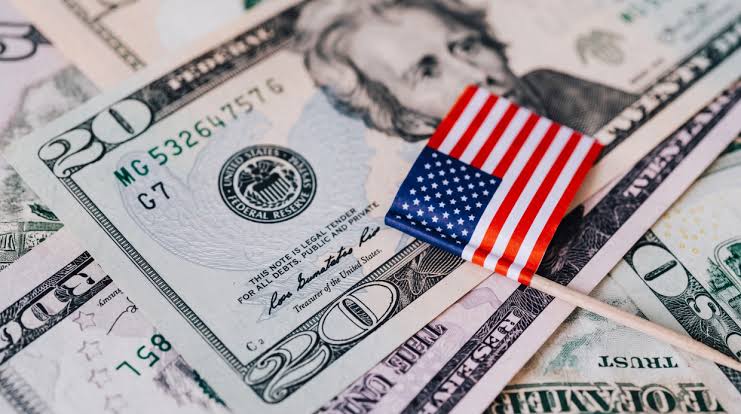
The US dollar remains strong as global markets continue to watch developments in the Middle East and the impact they may have on energy prices and the world economy. Investors are looking for safer assets as uncertainty increases in international markets.
Why Is the US Dollar Strong?
The US dollar can become stronger when investors are concerned about global risks. During uncertain periods, many investors prefer the dollar because it is widely used in international trade and financial markets.
Recent concerns about oil supplies, regional tensions and global economic conditions have increased demand for the dollar.
Rising Oil Prices and the Dollar
Oil prices have remained high because of concerns about energy supplies and shipping routes in the Middle East. Higher oil prices can affect inflation, transportation costs and economic growth.
Markets are therefore closely watching both oil prices and movements in the US dollar.
What Does a Strong Dollar Mean?
A strong dollar means the US dollar has increased in value compared with other currencies. In simple words, one US dollar can buy more foreign currency than before.
A strong dollar can have several effects:
- Imports may become cheaper for countries whose currencies are weaker.
- Dollar-priced products can become more expensive in countries with weaker currencies.
- Oil and other commodities may cost more in local currency.
- US consumers may benefit because imported goods can become relatively cheaper.
- Countries with dollar-based debt may face higher repayment costs.
- Investors may prefer US assets when the dollar is considered a safer currency.
For Pakistan, a stronger dollar can put pressure on the Pakistani rupee and increase the local cost of imported fuel, machinery, electronics and other dollar-priced goods.
Impact on Pakistan
A stronger US dollar can be important for Pakistan because the country imports fuel, machinery, technology and other products that are often priced in dollars.
If the Pakistani rupee weakens against the dollar, import costs can rise. This can eventually affect transportation, electricity, businesses and consumer prices.
What Are Investors Watching?
Investors are closely watching several important factors that can influence the US dollar, oil prices and global markets:
- US Interest Rates – Investors are watching expectations for future Federal Reserve rate decisions.
- US Economic Data – Inflation, jobs reports, consumer spending and economic growth can affect the dollar.
- Oil Prices – Higher oil prices can increase inflation and create pressure on the global economy.
- Middle East Tensions – Geopolitical developments can increase demand for safer assets such as the US dollar.
- Global Inflation – Investors are monitoring whether inflation is rising or falling in major economies.
- US Treasury Yields – Changes in bond yields can influence demand for US assets and the dollar.
- Currency Markets – Investors are watching how currencies such as the euro, yen and Pakistani rupee perform against the dollar.
Overall, investors are looking for signs that could determine whether the US dollar remains strong or starts to weaken.
What Could Happen Next?
The US dollar could remain strong if global uncertainty, higher oil prices and demand for safer assets continue. However, the direction could change quickly.
- Dollar may remain strong: Continued geopolitical tensions could increase demand for the US dollar.
- Dollar could weaken: If global uncertainty decreases or expectations for US interest rates change, demand for the dollar could fall.
- Oil prices may stay high: Ongoing concerns about energy supplies could keep oil prices elevated.
- Markets may remain volatile: Investors could continue reacting quickly to economic data and geopolitical developments.
- Pakistan could feel pressure: A stronger dollar could increase the cost of imports and put additional pressure on the Pakistani rupee.
Overall, US interest rates, oil prices, economic data and geopolitical developments will be key factors to watch in the coming days.
FAQs
1. Why is the US dollar strong?
The dollar can become stronger when investors seek safer assets during periods of economic or geopolitical uncertainty.
2. What happens when the dollar gets stronger?
A stronger dollar can affect international trade, oil prices, imports, exports and other currencies.
3. Can a strong dollar affect Pakistan?
Yes. A stronger dollar can increase the cost of imported fuel, machinery, electronics and other dollar-priced products in Pakistan.
4. Will the US dollar remain strong?
It is difficult to predict. US interest rates, economic data, oil prices and global tensions can influence the dollar.
5. Why are investors watching oil prices?
Higher oil prices can increase inflation and affect economic growth, making them important for financial markets.
6. Can the dollar become weaker?
Yes. Lower interest-rate expectations, improved global conditions or changes in investor demand can put pressure on the dollar.
7. What should investors watch next?
Investors are mainly watching US economic data, Federal Reserve policy, oil prices, inflation and geopolitical developments.