
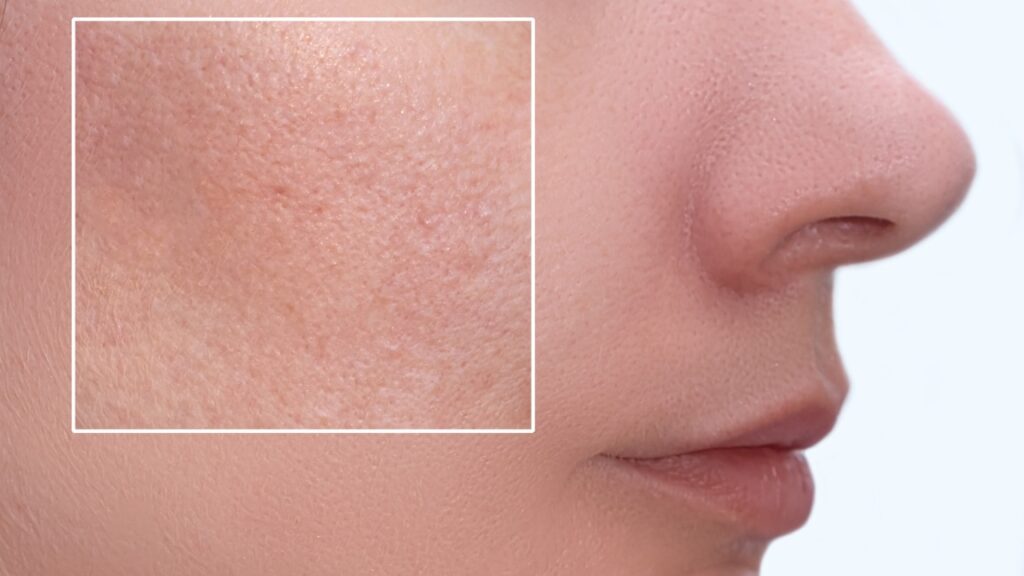
Pore-clogging is a common skin concern that can make the skin look rough, oily, or congested. When excess oil, dead skin cells, makeup, and other impurities build up inside pores, they can lead to blackheads, whiteheads, and breakouts.
The good news is that simple skincare habits can help keep pores clean and reduce the chances of clogged pores.
What Is Pore-Clogging?
Pore-clogging happens when a mixture of sebum (natural skin oil), dead skin cells, dirt, and product residue collects inside hair follicles. Some skincare and cosmetic ingredients can also contribute to congestion, especially when they are heavy or not suitable for your skin type.
Common Causes of Pore Clogging
- Excess Oil: Too much natural oil can build up inside pores.
- Dead Skin Cells: Dead cells can accumulate and block pores.
- Heavy Skincare Products: Thick creams and oils may cause congestion.
- Makeup Buildup for Pore Clogging : Leaving makeup on for too long can clog pores.
- Sweat and Dirt: Sweat, dust, and pollution can mix with oil and block pores.
- Poor Cleansing: Inadequate cleansing can leave residue on the skin.
- Touching Your Face: Hands can transfer oil and dirt to your skin.
- Hormonal Changes: Hormonal fluctuations may increase oil production.
- Over-Exfoliation: Too much exfoliation can irritate and affect the skin barrier.
- Unsuitable Products: Products that don’t suit your skin type may contribute to clogged pores.
Signs of pores-Clogging
- Blackheads – Small dark spots on the skin.
- Whiteheads – Small white or skin-colored bumps.
- Small Bumps – Tiny bumps may appear on the skin.
- Rough Skin Texture – Skin may feel uneven or bumpy.
- Enlarged-Looking Pores – Pores may appear more noticeable.
- Excess Oiliness – Skin may become greasy, especially in the T-zone.
- Frequent Breakouts – Clogged pores can contribute to pimples.
- Dull Skin – Buildup may make the skin look less fresh.
- Uneven Skin Surface – The skin may appear less smooth.
- Skin Congestion – Multiple blocked pores may develop over time.
How to Prevent Pore-Clogging
Cleanse Your Skin Regularly
Use a gentle cleanser suited to your skin type to remove excess oil, sweat, and daily buildup without excessively drying the skin.
Choose Non-Comedogenic Products
Look for skincare and makeup labeled non-comedogenic, which means the product is designed to be less likely to clog pores.
Choose Non-Comedogenic Products
Look for skincare and makeup labeled non-comedogenic, which means the product is designed to be less likely to clog pores.
Exfoliate Gently
Gentle exfoliation can help remove dead skin cells. Avoid harsh scrubbing because excessive exfoliation can irritate the skin.
Remove Makeup Before Bed
Always remove makeup and cleanse your face before going to sleep.
Keep Your Skin Hydrated
Even oily skin needs hydration. Choose a lightweight, non-comedogenic moisturizer if your skin tends to become oily.
Avoid Touching Your Face
Frequently touching your face can transfer oil, dirt, and bacteria to the skin.
Best Ingredients fo Pore Clogging
- Salicylic Acid – Helps remove excess oil and dead skin cells from pores.
- Niacinamide – Helps control excess oil and support the skin barrier.
- Retinoids – Encourage skin-cell turnover and help prevent pore buildup.
- Glycolic Acid – Helps exfoliate dead skin cells and improve skin texture.
- Clay – Helps absorb excess oil from the skin.
- Azelaic Acid – Can help improve clogged pores and uneven skin texture.
- Hyaluronic Acid – Provides lightweight hydration without adding excess oil.
- Benzoyl Peroxide – Helps reduce acne-causing bacteria and breakouts.
Clogging pores and Acne
Clogged pores can contribute to acne because blocked follicles can create an environment where inflammation and breakouts develop. However, not every clogged pore will become acne.
If breakouts are persistent, painful, or severe, consider speaking with a dermatologist for personalized treatment.
Final Thoughts
Pore-clogging is common, but a consistent skincare routine can help keep your skin clearer and smoother. Gentle cleansing, suitable non-comedogenic products, regular but careful exfoliation, and proper makeup removal are simple ways to support healthy-looking skin.
FAQs About Pore Clogging
What causes clogged pores?
Clogged pores can be caused by excess oil, dead skin cells, makeup, sweat, dirt, and unsuitable skincare products.
How can I prevent clogged pores?
Cleanse your face regularly, use non-comedogenic products, remove makeup before bed, and avoid touching your face frequently.
What is the best ingredient for clogged pores?
Salicylic acid is a popular ingredient because it helps exfoliate inside pores and remove excess oil and buildup.
Can oily skin have Pore-Clogging ?
Yes. Excess oil can mix with dead skin cells and contribute to blocked pores.
Can clogged pores cause acne?
Yes. Clogged pores can contribute to blackheads, whiteheads, pimples, and other types of acne.
How often should I exfoliate clogged pores?
Gentle exfoliation can help, but the ideal frequency depends on your skin type and the product you use. Avoid over-exfoliating.
Can moisturizer clog pores?
Some heavy products may contribute to congestion. Choose a lightweight, non-comedogenic moisturizer if you are prone to clogged pores.
How long does it take to clear clogged pores?
It can take several weeks of consistent skincare to see noticeable improvement. Persistent or severe breakouts may require professional advice.




2 thoughts on “Pore-Clogging Causes Prevention and Simple Skincare Tips”