
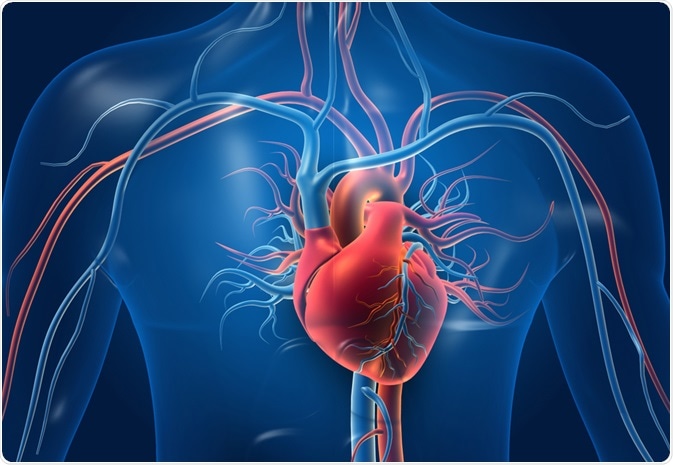
healthy heart is essential for overall health and well-being. Your heart works continuously to pump blood and oxygen throughout your body, so taking care of it should be part of your daily routine. A balanced diet, regular exercise, good sleep, and healthy lifestyle choices can help support heart health.
Why Is Heart Health Important?
A healthy heart helps your body receive the oxygen and nutrients it needs. Maintaining good heart health can also support healthy blood pressure, cholesterol levels, circulation, and energy levels
Simple Tips for a Healthy Heart
- Eat a Balanced Diet – Choose fruits, vegetables, whole grains, beans, nuts, and lean proteins.
- Exercise Regularly – Aim for regular walking, cycling, swimming, or other physical activities.
- Maintain a Healthy Weight – A healthy weight can help reduce strain on your heart.
- Avoid Smoking – Stay away from cigarettes and other tobacco products to protect your heart and blood vessels.
- Limit Salt Intake – Eating less salt can help support healthy blood pressure.
- Reduce Added Sugar – Limit sugary drinks, sweets, and highly processed foods.
- Get Enough Sleep – Aim for around 7–9 hours of quality sleep each night.
- Manage Stress – Practice relaxation, deep breathing, meditation, or enjoyable hobbies.
- Stay Hydrated – Drink enough water throughout the day and limit sugary beverages.
- Check Your Health Regularly – Monitor blood pressure, cholesterol, blood sugar, and other important health measurements with your healthcare provider.
Heart-Healthy Foods
- Leafy Green Vegetables – Spinach, kale, and other greens provide vitamins, minerals, and fiber.
- Berries – Strawberries, blueberries, and other berries contain antioxidants and fiber.
- Oats and Whole Grains – Oats, brown rice, and whole-grain bread provide fiber that supports heart health.
- Fatty Fish – Salmon, sardines, and mackerel provide omega-3 fats.
- Nuts and Seeds – Almonds, walnuts, chia seeds, and flaxseeds provide healthy fats and fiber.
- Beans and Lentils – These are good sources of plant-based protein and fiber.
- Fresh Fruits – Apples, oranges, bananas, and other fruits provide essential nutrients and fiber.
- Avocado – Provides mostly unsaturated fats and fiber.
- Olive Oil – A source of unsaturated fat that can be used instead of butter or other saturated fats.
- Low-Fat Dairy – Low-fat milk and yogurt can provide protein and calcium while helping limit saturated fat.
Signs You Should Not Ignore
Some heart-related symptoms require prompt medical attention. These can include chest pressure or pain, unexplained shortness of breath, fainting, unusual sweating, or pain that spreads to the arm, back, neck, jaw, or shoulder. If severe or sudden symptoms occur, seek emergency medical care immediately.
Final Thoughts
Taking care of your heart does not require complicated changes. Eating nutritious foods, staying active, maintaining a healthy weight, avoiding tobacco, managing stress, and getting enough sleep can all contribute to better heart health. Small healthy habits practiced consistently can make a meaningful difference over time.
FAQs About a Healthy Heart
1. What is the best food for a healthy heart?
There is no single best food. A balanced diet with vegetables, fruits, whole grains, beans, nuts, seeds, and fish can support heart health.
2. Is walking good for the heart?
Yes. Regular walking is a simple form of physical activity that can support cardiovascular fitness.
3. How much sleep is good for heart health?
Most adults should aim for about 7–9 hours of quality sleep each night.
4. Can drinking enough water help heart health?
Staying properly hydrated supports normal body functions and circulation.
5. Which foods should I limit for a healthy heart?
Limit foods high in saturated fat, added sugar, and excess sodium, such as many highly processed foods and sugary drinks.
6. Is exercise important for a healthy heart?
Yes. Regular physical activity can help support heart fitness, healthy blood pressure, and overall cardiovascular health.
7. How can I protect my heart every day?
Eat a balanced diet, stay physically active, avoid smoking, maintain a healthy weight, manage stress, sleep well, and have regular health checkups.
8. Can stress affect heart health?
Long-term stress can negatively affect overall health, so finding healthy ways to manage stress is important.




1 thought on “Healthy Heart Simple Tips for Better Heart Health”