The government of Pakistan has introduced several new policies in 2026 that are directly affecting citizens, businesses, students, freelancers and overseas Pakistanis. From taxes and digital regulations to energy reforms and economic measures, these new government policies are changing how people live and work across the country.
Understanding these updates is important because many of these policies impact everyday expenses, online businesses, fuel prices, electricity bills, banking and public services. Here’s a complete guide to the latest government policies Pakistanis need to know about this year.
Digital Economy and Freelancing Policies
Pakistan is continuing its push toward a digital economy. The government has announced new initiatives to support freelancers, IT exporters and digital businesses.
Some key changes include:
- Easier banking channels for freelancers
- Support for IT startups and software houses
- Promotion of digital payment systems
- Increased focus on online business taxation
- Expansion of internet and digital infrastructure
Freelancers in Pakistan are now being encouraged to receive payments through official banking channels instead of informal methods. This policy aims to increase foreign exchange reserves and improve documentation of the digital economy.
The government is also promoting cashless payment systems through banking apps and QR payment methods to reduce dependence on cash transactions.
New Tax Policies in Pakistan
Tax reforms remain one of the biggest topics in 2026. The government has introduced new taxation policies to increase revenue and meet international financial commitments.
Some important updates include:
- Increased taxes on luxury items
- Higher petroleum levy on fuel
- Expanded tax monitoring for online businesses
- Stricter documentation requirements
- New measures against non-filers
Businesses and individuals who are not registered taxpayers may face higher transaction costs, additional withholding taxes and banking restrictions.
Online sellers, e-commerce businesses and social media entrepreneurs are also seeing increased attention from tax authorities. Many digital business owners are now registering officially to avoid penalties.
Electricity and Energy Reforms
Electricity prices continue to rise under new energy adjustment policies. The government says these reforms are necessary to reduce circular debt and stabilize the power sector.
Recent energy-related policies include:
- Fuel adjustment charges on electricity bills
- Revised electricity tariff structures
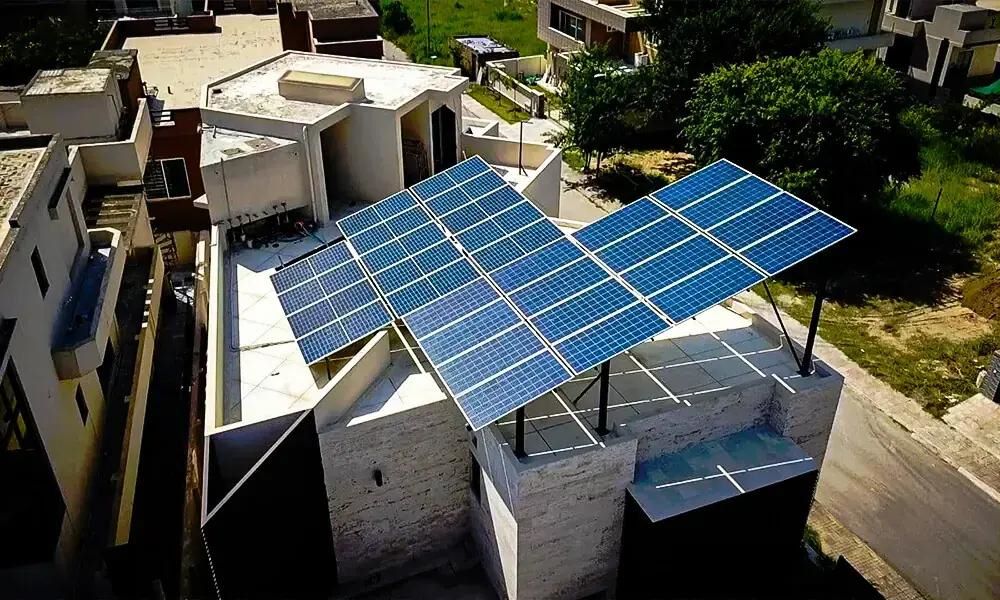
- Solar energy promotion initiatives
- Crackdowns on electricity theft
- Smart meter implementation plans
Households across Pakistan are experiencing higher utility bills due to these adjustments. However, the government is also encouraging solar panel adoption to reduce pressure on the national grid.
Many homeowners and businesses are now investing in solar systems because of increasing electricity prices and load management concerns.
Petrol and Fuel Price Policies
Fuel pricing policies remain one of the most discussed issues in Pakistan. Petrol and diesel prices continue to fluctuate due to international oil market trends and government taxation policies.
Recent fuel-related policies include:
- Petroleum levy increases
- Monthly fuel price adjustments
- Higher transportation costs
- Import management policies
These fuel price changes directly affect transportation fares, food prices, delivery services and overall inflation in Pakistan.
Public reaction to fuel price increases has remained strong because petrol prices impact nearly every sector of the economy.
Policies Affecting Overseas Pakistanis
The government has also introduced several policies targeting overseas Pakistanis to encourage remittances and foreign investment.
These measures include:
- Easier remittance transfer systems
- Incentives for Roshan Digital Accounts
- Property investment facilitation
- Overseas voting discussions
- Faster NADRA and passport processing initiatives
Overseas Pakistanis continue to play a major role in supporting Pakistan’s economy through remittances sent from countries like UAE, Saudi Arabia, UK, Canada and USA.
New Policies for Businesses and Imports
Businesses in Pakistan are also adapting to new import and trade regulations. Due to foreign exchange pressures, the government has maintained tighter controls on imports in several sectors.
Key business policy changes include:
- Restrictions on luxury imports
- Import duties on selected products
- Support for local manufacturing
- Export promotion policies
- Industrial energy pricing reforms
Local manufacturers may benefit from reduced foreign competition, but businesses relying on imported raw materials are facing increased operational costs.
Public Welfare Programs
To help low income families manage inflation, the government has expanded several welfare programs.
These include:
- Ramadan relief packages
- Cash assistance programs
- Targeted support through social welfare databases
- Subsidized wheat flour programs
Many citizens still believe more relief measures are needed because inflation remains high.
Internet and Social Media Regulations
Pakistan has also seen increased discussions regarding digital regulations and online content monitoring.
New policies focus on:
- Cybersecurity measures
- Regulation of online platforms
- Data protection discussions
- Monitoring illegal online activities
- Digital documentation requirements
Content creators, influencers and online businesses are closely watching these developments because future regulations could affect monetization and online operations.
Education and Youth Policies
The government has announced several initiatives for students and young professionals.
These include:
- Expansion of IT training programs
- Digital skill development initiatives
- Laptop and youth financing schemes
- Startup funding discussions
With unemployment remaining a concern, many young Pakistanis are turning toward freelancing, e-commerce and digital careers.
Staying informed about these new government policies is important for businesses, freelancers, students and families trying to manage changing economic conditions in 2026. As more reforms continue throughout the year, people will need to adapt to an economy that is becoming increasingly digital and financially regulated.