Net metering in Pakistan has become one of the most popular energy solutions for people looking to reduce electricity bills. With rising electricity prices, fuel adjustments and load management issues, more Pakistanis are turning toward solar energy and net metering systems to save money and gain energy independence.
This complete net metering guide explains how net metering works in Pakistan, its benefits, eligibility requirements, installation process and important things you should know before applying.
What Is Net Metering?
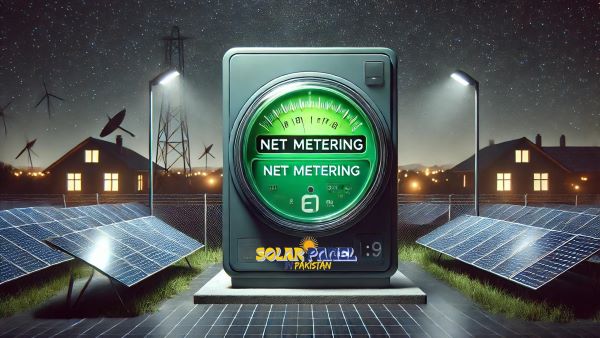
Net metering is a billing system that allows solar panel users to send excess electricity back to the national grid. In return, consumers receive electricity units or credits from their electricity provider.
In simple terms:
- Your solar panels generate electricity during the day
- You use the electricity your system produces
- Extra electricity goes back to the grid
- You receive credits on your electricity bill
At night or during low sunlight hours, you can use electricity from the grid again.
This system helps reduce monthly electricity bills significantly.
Why Net Metering Is Becoming Popular in Pakistan
Electricity costs in Pakistan continue to increase due to fuel, taxes and rising power generation costs. Because of this, solar panel installations and net metering applications have increased rapidly across cities like Karachi, Lahore, Islamabad, Faisalabad and Rawalpindi.
Some major reasons behind the popularity of net metering include:
- High electricity bills
- Frequent tariff increases
- Rising fuel prices
- Better solar technology availability
- Long term electricity savings
- Environmental benefits
Many businesses and factories are also shifting toward solar systems to lower operational costs.
How Net Metering Works
The process is simple:
When your solar panels produce more electricity than you need, the excess electricity is exported to the grid through a bi-directional meter.
The electricity company records:
- Units imported from the grid
- Units exported to the grid
At the end of the billing cycle, exported units are adjusted against imported units.
For example:
- You used 600 units from the grid
- Your solar system exported 400 units
You may only pay for the remaining 200 units plus taxes and fixed charges.
Benefits of Net Metering in Pakistan
1. Lower Electricity Bills
The biggest advantage is reduced electricity bills. Many households save thousands of rupees every month after installing solar systems with net metering.
2. Faster Solar Return on Investment
Net metering helps recover solar installation costs faster because unused electricity is not wasted.
3. Eco-Friendly Energy Solution
Solar energy reduces dependence on fossil fuels and helps decrease pollution.
4. Protection From Rising Electricity Prices
As electricity tariffs continue increasing in Pakistan, solar users become less affected by future price hikes.
5. Increased Property Value
Houses and commercial properties with solar systems often become more attractive to buyers.
Eligibility Requirements for Net Metering
To apply for net metering in Pakistan, people usually need:
- A three-phase electricity connection
- Solar system installation by an approved company
- Net metering compatible inverter
- Required technical documentation
- Valid electricity connection details
Most electricity distribution companies allow net metering for systems above a certain capacity limit.
Net Metering Application Process in Pakistan
The application process generally includes the following steps:
1. Solar System Installation
First, install a solar system using approved equipment and installers.
2. Application Submission
Submit the required documents to your electricity distribution company.
3. Technical Inspection
The company conducts a site inspection to verify safety and technical standards.
4. Meter Installation
A bi-directional meter is installed after approval.
5. Net Metering Activation
Your system officially starts exporting electricity to the national grid.
The complete process can take several weeks depending on approvals and inspections.
Common Problems
Although net metering offers many benefits, users sometimes face challenges such as:
- Delayed approvals
- High initial solar installation costs
- Technical documentation issues
- Policy changes and regulations
- Equipment quality concerns
It is important to work with experienced solar providers to avoid installation and approval problems.