
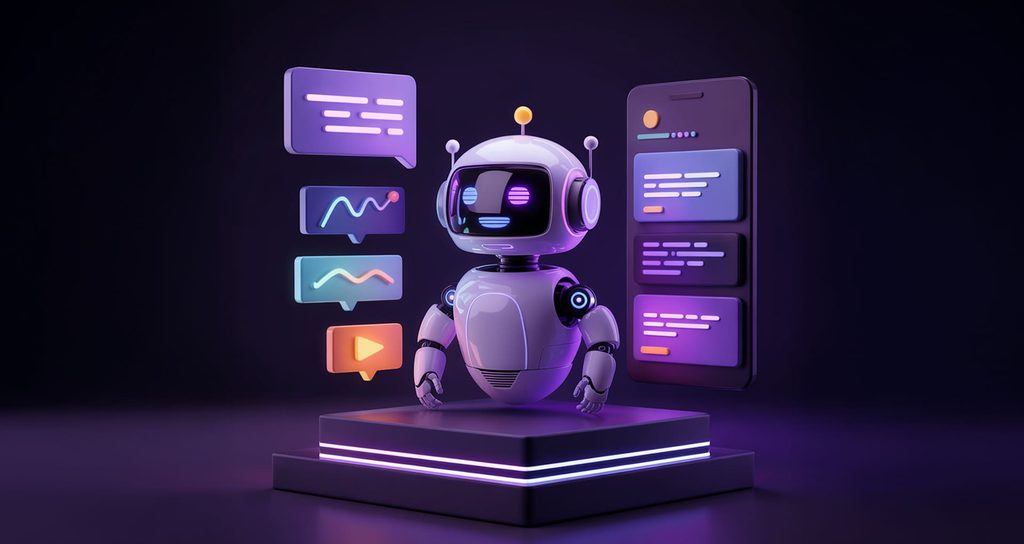
Smart chatbot communication is becoming an important part of modern digital communication. AI-powered chatbots can understand questions, provide quick answers, guide customers, and help businesses communicate with people 24/7.
From online shopping and banking to healthcare and customer support, smart chatbots are making communication faster, easier, and more convenient.
What Is Smart Chatbot Communication?
Smart chatbot communication means using an AI-powered chatbot to communicate with users through text or voice. Unlike traditional chatbots that follow simple commands, modern smart chatbots can understand natural language and provide more useful responses.
They can answer questions, suggest products, solve common problems, and even connect users with a human agent when needed.
How Does Smart Chatbot Communication Work?
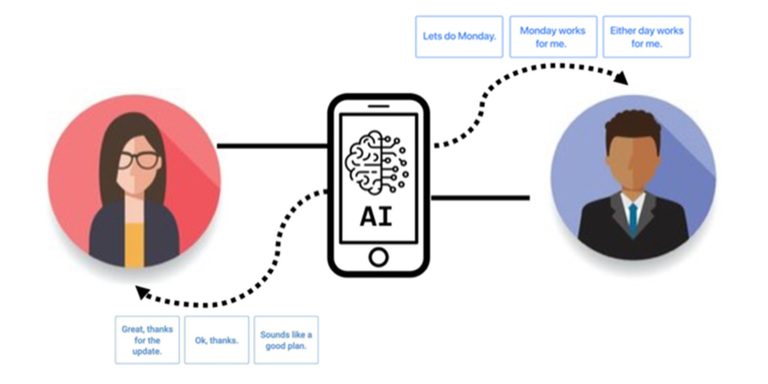
Smart chatbot communication uses AI technology to understand what users say and provide helpful replies. It can communicate through text or voice and handle many common questions without human help.
Here’s how it works:
- User Sends a Message
The user asks a question or types a request in the chatbot. - Chatbot Understands the Message
AI and Natural Language Processing (NLP) help the chatbot understand the meaning and intention behind the message. - AI Processes the Information
The chatbot analyzes the request and uses its trained knowledge or connected information to find the right response. - Chatbot Generates a Reply
The AI creates a natural and easy-to-understand answer. - User Receives the Response
The answer appears within seconds, allowing the conversation to continue naturally. - Human Support When Needed
If the chatbot cannot solve a complex problem, it can transfer the conversation to a human customer support agent.
In simple words: Smart chatbot communication works by understanding the user’s message, processing it with AI, and giving a relevant response quickly.
Key Features of Smart Chatbots
Smart chatbots come with useful features that make communication faster, easier, and more convenient. Some of the main features include:
- 24/7 Availability: Chatbots can communicate with users at any time.
- Quick Responses: They can answer questions within seconds.
- Natural Conversations: AI helps chatbots understand everyday language.
- Personalized Replies: They can provide responses based on the user’s needs.
- Voice and Text Support: Some smart chatbots can communicate through both typing and voice.
- Multilingual Support: Chatbots can communicate in different languages.
- Customer Support: They can handle common questions and basic customer issues.
- Task Automation: Chatbots can help with bookings, orders, reminders, and other simple tasks.
- Human Handoff: Difficult queries can be transferred to a human agent.
- Continuous Improvement: AI-powered systems can be updated and improved to provide better responses over time.
Benefits of Smart Chatbot Communication
Smart chatbot communication offers many benefits for both businesses and users. It makes online communication faster, simpler, and more efficient.
1. Fast Responses
Chatbots can answer questions within seconds, reducing customer waiting time.
2. 24/7 Support
Smart chatbots can provide assistance day and night, including weekends and holidays.
3. Saves Time
Users can quickly get answers without searching through websites or waiting for a support agent.
4. Reduces Business Costs
Businesses can use chatbots to handle repetitive questions, reducing the workload on customer support teams.
5. Better Customer Experience
Friendly and instant communication can make it easier for customers to get the information they need.
6. Personalized Communication
AI chatbots can provide relevant answers and recommendations based on the user’s questions and available information.
7. Handles Many Users
A smart chatbot can communicate with many customers at the same time without making users wait in a queue.
8. Supports Multiple Languages
Many modern chatbots can communicate in different languages, helping businesses reach a wider audience.
9. Automates Simple Tasks
Chatbots can help with tasks such as answering FAQs, checking order information, scheduling appointments, and collecting basic details.
10. Helps Human Agents
Instead of replacing every customer service interaction, chatbots can handle simple requests and send complex issues to human agents.
In simple words: Smart chatbot communication helps businesses provide faster, easier, and more convenient customer support while saving time and improving efficiency.
Examples of Smart Chatbot Communication
Smart chatbots are now used in many industries to make communication easier and faster. Here are some common examples:
1. Online Shopping
E-commerce chatbots can help customers find products, compare options, check order status, and answer delivery questions.
2. Customer Support
Businesses use smart chatbots to answer frequently asked questions, handle basic complaints, and guide customers to the right service.
3. Banking
Banking chatbots can provide information about accounts, transactions, cards, and common banking services.
4. Healthcare
Healthcare chatbots can provide general information, help users find services, and assist with appointment scheduling.
5. Travel and Hotels
Travel chatbots can help users search for hotels, flights, destinations, booking information, and travel details.
6. Education
Educational chatbots can answer student questions, explain basic topics, provide study assistance, and share learning resources.
7. Food Delivery
Food delivery chatbots can help users browse menus, place orders, check delivery status, and answer common questions.
8. Social Media
Smart chatbots can help businesses respond to customer messages, provide product information, and manage common inquiries.
9. Real Estate
Real estate chatbots can help users find properties based on location, budget, and other preferences.
10. Personal AI Assistants
AI assistants can communicate with users, answer questions, organize information, and help with everyday tasks.
In simple words: Smart chatbot communication is useful wherever people need quick answers, customer support, information, or help with everyday tasks.
Smart Chatbots vs Traditional Chatbots
Traditional chatbots usually depend on fixed commands and pre-written responses. If a user asks something differently, they may fail to understand the question.
Smart chatbots use AI and natural language technology to understand different ways of asking the same question. This makes conversations feel more natural and flexible.
Challenges of Smart Chatbot Communication
Although smart chatbots make communication faster and easier, they also have some challenges. Understanding these problems is important for businesses and users.
1. Misunderstanding Questions
Sometimes a chatbot may not understand unclear, complex, or unusual questions correctly.
2. Limited Human Understanding
AI can communicate naturally, but it may not fully understand human emotions, humor, or personal situations like a human can.
3. Incorrect Information
A chatbot can sometimes provide an inaccurate or outdated answer. Important information should be checked before making decisions.
4. Privacy and Security
Chatbots may handle personal or business information, so strong security and proper data protection are important.
5. Complex Problems
Some customer problems require human judgment and cannot be solved effectively by a chatbot alone.
6. Lack of Personal Touch
Some users prefer speaking with a real person, especially when dealing with sensitive or complicated issues.
7. Language and Communication Issues
Although many chatbots support multiple languages, they may struggle with slang, local expressions, accents, or mixed-language conversations.
8. Training and Maintenance
Businesses need to regularly update and improve their chatbots to keep responses accurate and useful.
9. Technical Problems
Internet issues, software errors, or system downtime can temporarily affect chatbot communication.
10. User Trust
People may hesitate to share information with an AI chatbot if they do not understand how their data is being used.
In simple words: Smart chatbots offer many benefits, but they work best when combined with human support, good security, accurate information, and regular updates.
Future of Smart Chatbot Communication
The future of smart chatbot communication looks promising. AI chatbots are becoming better at understanding natural language, voice, images, and different types of user requests.
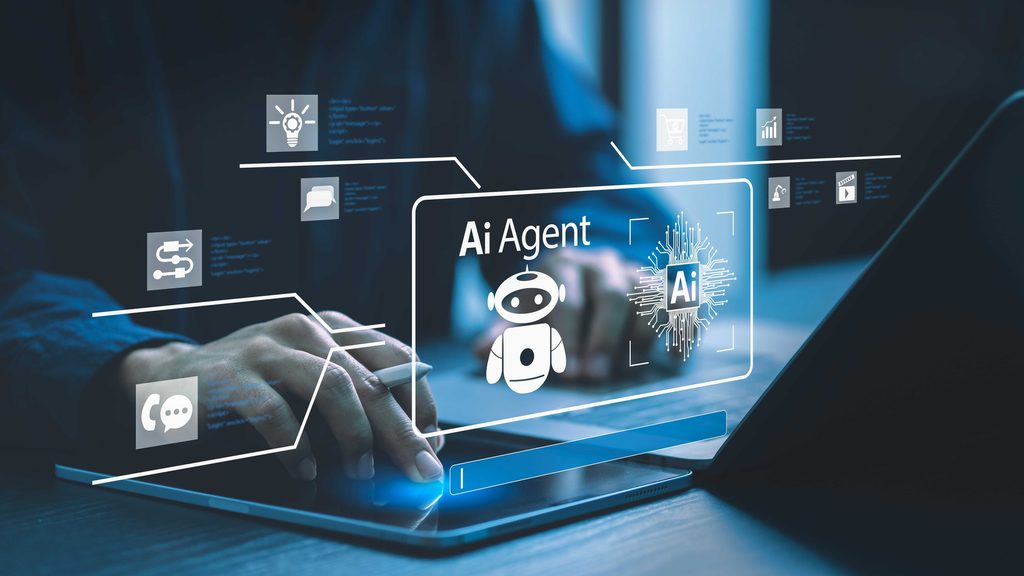
In the future, businesses may use intelligent AI agents that can not only answer questions but also complete tasks, remember conversation context, and work across different digital services
Frequently Asked Questions (FAQs)
What is smart chatbot communication?
Smart chatbot communication is the use of AI-powered chatbots to communicate with users through text or voice and provide helpful responses.
How does a smart chatbot work?
It uses AI and Natural Language Processing (NLP) to understand a user’s message, process the request, and provide a suitable response.
What are the main benefits of smart chatbots?
They provide quick responses, 24/7 support, personalized communication, task automation, and can reduce customer service workload.
Where are smart chatbots used?
They are commonly used in e-commerce, banking, healthcare, education, travel, customer support, and food delivery.
Can smart chatbots replace humans?
Not completely. Chatbots can handle simple and repetitive tasks, while complex problems often require human support.
Are smart chatbots available 24/7?
Yes. Most automated chatbots can communicate with users around the clock.
Can smart chatbots understand different languages?
Many modern chatbots support multiple languages, although their accuracy can vary depending on the language and system.
What are the challenges of smart chatbot communication?
Common challenges include misunderstanding questions, providing incorrect information, privacy concerns, technical issues, and limited emotional understanding.
Are smart chatbots safe to use?
They can be safe when properly designed and secured. Users should still avoid sharing sensitive information unless they trust the service.
What is the future of smart chatbot communication?
Smart chatbots are expected to become more intelligent, personalized, and capable of handling voice, images, and more complex tasks.




1 thought on “Smart Chatbot Communication: How AI Chatbots Are Changing Communication”