
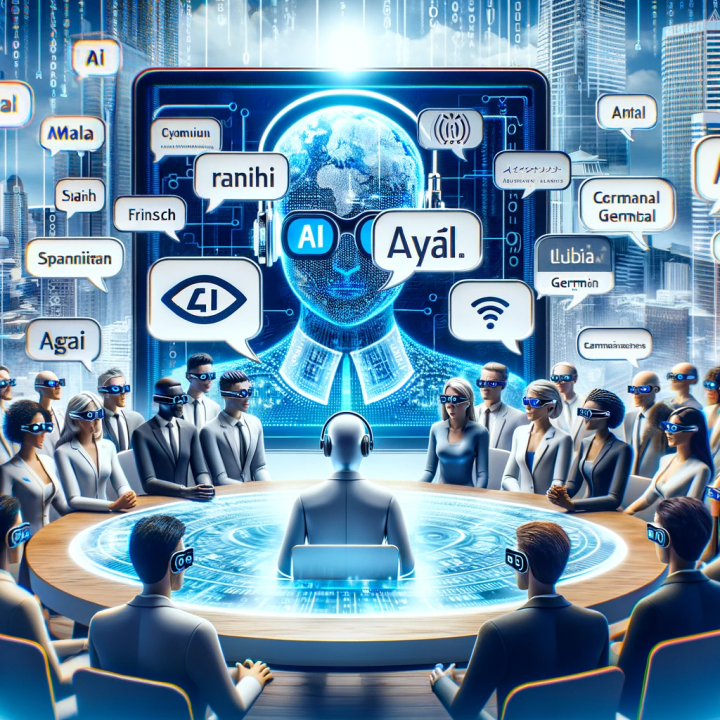
.Dialog-driven AI is changing the way people interact with technology. Instead of clicking through menus or using fixed commands, users can communicate with AI through natural conversations. These systems can understand questions, respond in real time, remember conversation context, and provide more personalized assistance. From customer service and education to smart homes and vehicles, dialog-driven AI is creating faster and more natural digital experiences.
AI Unlocks Real-Time What Are Experiences?
Dialog-driven AI experiences are digital interactions where people communicate with an AI system through natural conversation. Instead of clicking through many menus or using specific commands, users can simply ask questions, give instructions, and ask follow-up questions.
The AI understands the conversation and uses the previous context to provide a more relevant response.
Simple Example
For example, a user might say:
User: “Find me a good restaurant nearby.”
AI: “Sure. What type of food would you like?”
User: “Italian, and I want something affordable.”
AI: “Here are some affordable Italian restaurants nearby.”
This makes the interaction feel more like a natural conversation with a helpful assistant rather than using traditional software.
Key Features
- Natural language communication
- Real-time responses
- Understanding of conversation context
- Follow-up questions and answers
- Personalized assistance
- Voice and text interaction
- Ability to complete tasks through conversation
Dialog-driven AI is becoming increasingly important in customer service, education, healthcare, smart devices, automotive systems, and AI assistants.
Real-World Applications of Dialog-Driven AI
Dialog-driven AI is already being used in many areas to make technology easier and more interactive.
- Customer Service: AI chatbots answer questions, track orders, and help solve customer problems.
- Healthcare: AI assistants can provide general health information, help schedule appointments, and guide users through basic services.
- Education: AI tutors can explain lessons, answer questions, and provide personalized learning support.
- Automotive: Voice-based AI can help drivers with navigation, calls, music, and vehicle functions.
- Banking: Conversational AI can help customers check account information, understand transactions, and get support.
- Smart Homes: Users can control lights, thermostats, security systems, and other connected devices using natural language.
- Travel: AI assistants can help plan trips, find hotels, suggest activities, and answer travel questions.
- Business: Employees can use AI to summarize documents, find information, write content, and analyze data.
- E-commerce: AI shopping assistants can help customers find products and compare options.
- Accessibility: Voice-based AI can make digital services easier to use for people who have difficulty with traditional interfaces.
Challenges and Limitations of Dialog-Driven AI
Although dialog-driven AI offers many benefits, it also has some challenges and limitations:
- Accuracy Issues: AI may sometimes give incorrect or misleading information.
- Understanding Problems: It can misunderstand unclear questions, accents, slang, or complex conversations.
- Privacy Concerns: Voice and conversation data may contain sensitive personal information.
- Response Delays: Real-time conversations can be affected by slow internet connections or system processing.
- Lack of Human Understanding: AI can respond naturally but does not have human emotions or real-life experiences.
- Security Risks: Poorly protected AI systems may expose users or organizations to security threats.
- High Development Costs: Building reliable real-time AI systems can require advanced technology and significant investment.
- Dependence on Data: AI performance depends heavily on the quality and availability of its training and reference data.
- Bias: AI can sometimes produce biased responses because of problems in its training data.
- Limited Context: Even advanced systems may lose track of important details during long or complicated conversations.
Conclusion
Dialog-driven AI is becoming more powerful, but accuracy, privacy, security, cost, and reliability remain important challenges. Continued improvements in AI models and safety systems can help make these experiences more trustworthy and useful.
The Future of Dialog-Driven AI
The future of dialog-driven AI looks promising. As AI models become faster and smarter, conversations with technology are expected to become more natural, accurate, and useful.
Key Future Trends
- More Natural Conversations: AI will better understand context, tone, and follow-up questions.
- Real-Time Voice Interaction: People will be able to have faster, more natural conversations with AI assistants.
- Personalized Experiences: AI will provide responses based on individual preferences and needs.
- AI Agents: Conversational AI will not only answer questions but also complete tasks such as booking appointments, preparing reports, and managing schedules.
- Smart Homes and Cars: Users will control devices and vehicle features through natural conversation.
- Better Multimodal AI: AI will combine text, voice, images, video, and other inputs to understand users more effectively.
- Improved Accessibility: Conversational technology can make digital services easier for people with different abilities.
- Business Automation: Companies will increasingly use AI agents for customer support, research, sales, and everyday business tasks.
Conclusion
Dialog-driven AI is moving technology from clicking and typing toward natural conversation. In the future, AI assistants may become everyday digital partners that understand what users need and help complete tasks in real time.
Frequently Asked Questions
1. What is this technology?
It allows users to interact with digital systems through natural text or voice conversations.
2. How does it work?
It understands the user’s request, analyzes the context, and generates a relevant response.
3. Where is it used?
It is used in customer service, education, healthcare, banking, cars, smart homes, travel, and businesses.
4. What are the main benefits?
It provides faster communication, personalized assistance, and easier interaction with digital services.
5. Can it understand follow-up questions?
Yes, modern systems can remember conversation context and respond to follow-up questions.
6. Can it understand voice commands?
Yes, voice-enabled systems can understand spoken questions and provide real-time responses.
7. What are the main challenges?
Accuracy, privacy, security, response delays, bias, and misunderstanding user requests are common challenges.
8. Is it useful for businesses?
Yes. Businesses can use it for customer support, automation, research, sales, and employee assistance.
9. What does the future look like?
It is expected to become more natural, personalized, faster, and capable of completing complex tasks.
10. Will it replace human interaction?
It can automate many routine tasks, but human involvement will remain important for complex, sensitive, and creative situations.





1 thought on “AI Unlocks Real-Time, Dialog-Driven Experiences”