
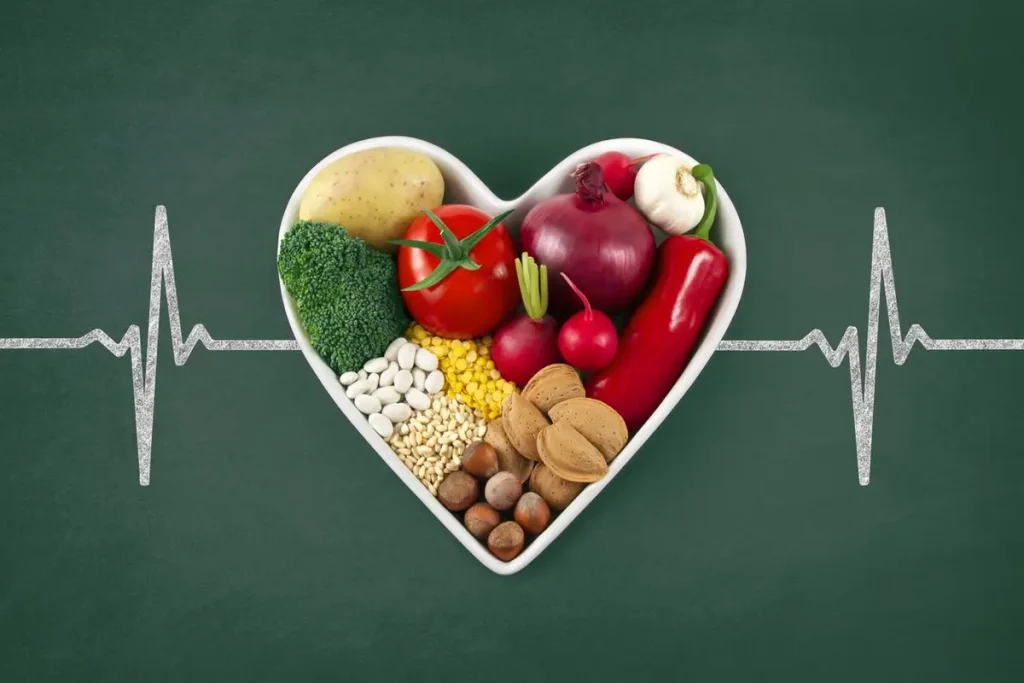
Eating healthy food is one of the best ways to support your heart. A balanced diet can help maintain healthy cholesterol and blood pressure levels and provide important nutrients for your body.
In this guide, we will discuss the best foods for heart health in simple words and explain how you can add them to your daily diet.
Why Is a Healthy Diet Important for the Heart?
Your heart works every day to pump blood around your body. Eating too much salt, sugar, unhealthy fat, and processed food may increase the risk of heart problems.
Choosing vegetables, fruits, whole grains, fish, nuts, and other nutritious foods can help support overall heart health.
Best Foods for Heart Health
A healthy diet can help support your heart and overall well-being. The best foods for heart health are usually rich in fiber, vitamins, minerals, healthy fats, and quality protein.
Top Heart-Healthy Foods
- Oats – Rich in soluble fiber and may help support healthy cholesterol levels.
- Fatty Fish – Salmon, sardines, and mackerel provide omega-3 fats.
- Leafy Green Vegetables – Spinach, kale, and lettuce provide fiber and important nutrients.
- Berries – Strawberries and blueberries contain fiber and antioxidants.
- Nuts – Almonds and walnuts provide healthy fats, protein, and fiber.
- Beans and Lentils – Good sources of plant protein and fiber.
- Whole Grains – Brown rice, barley, oats, and whole-wheat foods provide more fiber.
- Avocado – Contains mostly unsaturated fat and fiber.
- Olive Oil – A source of heart-friendly unsaturated fats.
- Fresh Fruits – Apples, oranges, bananas, and other fruits can be part of a balanced diet.
Foods to Limit
For better heart health, try to limit excess salt, sugary drinks, deep-fried foods, processed meats, highly processed snacks, and foods high in saturated or trans fats.
Simple Heart-Healthy Eating Tips
- Eat more fresh fruits and vegetables every day.
- Choose whole grains like oats, brown rice, and whole-wheat roti.
- Eat beans, lentils, and daal regularly.
- Choose fish instead of fatty or processed meats.
- Eat a small amount of unsalted nuts.
- Use less salt in your meals.
- Reduce deep-fried and oily foods.
- Avoid or limit sugary drinks and excess sweets.
- Choose water instead of soft drinks.
- Watch your portion sizes and avoid overeating.
- Choose healthier cooking methods such as grilling, baking, steaming, or boiling.
- Read food labels and choose products with less sodium and added sugar.
Heart Health Foods in Pakistan
You do not need expensive or special foods for a heart-healthy diet. Many common Pakistani foods can be part of a healthy eating pattern. Current heart-health guidance recommends more vegetables, fruits, whole grains, legumes, nuts, fish, and healthy unsaturated fats while limiting excess salt, added sugar, processed foods, and unhealthy fats.
Best Heart-Healthy Foods in Pakistan
- Daal – Masoor, moong, chana and other dals provide fiber and plant protein.
- Chana & beans – A healthy and affordable protein choice.
- Fresh vegetables – Spinach, bhindi, tori, karela, cabbage, carrots and tomatoes are good options.
- Fresh fruits – Apples, oranges, guava, papaya, watermelon and seasonal fruits.
- Whole-wheat roti – A better everyday choice than refined-grain foods.
- Oats – A good breakfast option because they provide fiber.
- Brown rice – Can be used instead of white rice more often.
- Fish – Local fish, especially oily fish, can provide healthy omega-3 fats. Choose grilled or baked rather than deep-fried.
- Nuts – Almonds, walnuts and pistachios are good choices when eaten in moderate portions and preferably unsalted.
- Plain yogurt – Choose low-fat or unsweetened yogurt when suitable.
- Healthy cooking oils – Use liquid plant oils in moderate amounts rather than relying heavily on butter or animal fats.
Pakistani Foods to Limit
Try to reduce:
- Deep-fried samosas and pakoras
- Excessively oily curries
- Processed meats
- Very salty foods and pickles
- Sugary drinks and excessive sweets
- Large portions of fatty red meat
- Bakery foods high in saturated fat
- Frequent fast food
Simple Pakistani Heart-Healthy Plate
A simple meal could be whole-wheat roti + daal + mixed vegetables + salad + plain yogurt.
For another meal, try grilled fish + vegetables + a moderate portion of brown rice.
The goal is not to completely stop eating your favorite Pakistani foods. Instead, use less salt and oil, choose healthier cooking methods, control portions, and add more vegetables, fruits, whole grains and legumes.
Frequently Asked Questions About Heart-Healthy Foods in Pakistan
1. What is the best food for heart health in Pakistan?
Daal, vegetables, fruits, whole-wheat roti, oats, beans, fish, nuts, and plain yogurt are good choices for a heart-healthy diet.
2. Is daal good for the heart?
Yes. Daal provides plant protein and fiber and can be part of a healthy diet. Try to cook it with less oil and salt.
3. Is roti healthy for the heart?
Whole-wheat roti can be a healthy choice because it provides more fiber than refined-grain bread or roti.
4. Can heart patients eat rice?
Yes, rice can be included in a balanced diet. Watch portion sizes and choose brown rice or other whole grains more often when possible.
5. Which fruits are good for heart health?
Guava, apples, oranges, papaya, watermelon, and other fresh fruits can be included in a balanced diet.
6. Is fish good for heart health?
Yes. Fish can be a healthy protein source, particularly oily fish that provides omega-3 fats. Choose grilled, baked, or steamed fish instead of deep-fried fish.
7. Are almonds and walnuts good for the heart?
Yes. They provide healthy fats, fiber, and protein. Choose unsalted nuts and eat moderate portions.
8. What foods should be avoided for better heart health?
Limit deep-fried foods, processed meats, excessive salt, sugary drinks, highly processed snacks, and foods high in unhealthy fats.
9. Is Pakistani food healthy for the heart?
Pakistani food can be heart-friendly when prepared with less salt, less oil, more vegetables, whole grains, and moderate portions.
10. What is an easy heart-healthy Pakistani meal?
A simple option is whole-wheat roti, daal, mixed vegetables, salad, and plain yogurt.