
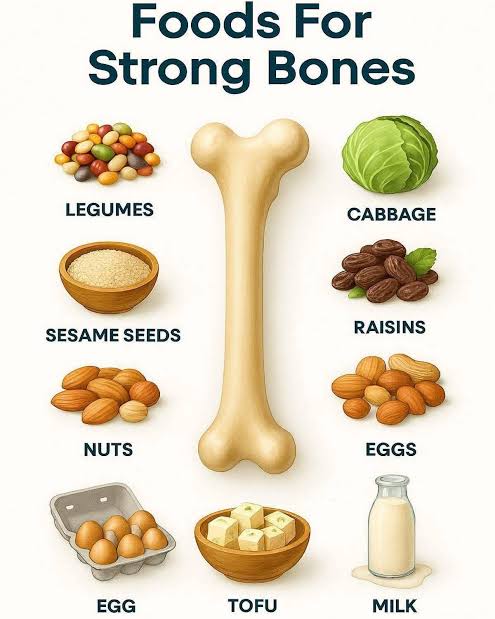
Strong bones are important for a healthy and active life. Our bones support the body, protect important organs, and help us move. As we grow older, taking care of our bones becomes even more important.
The good news is that a healthy diet can help support strong bones. Foods rich in calcium, vitamin D, protein, magnesium, and vitamin K are especially useful for bone health.
Best Foods for Strong Bones
Here are some simple and healthy foods you can add to your daily diet.
1. Milk
Milk is one of the easiest ways to add calcium to your diet. Calcium is an important mineral for maintaining strong bones and teeth.
You can drink milk with breakfast or use it in tea, smoothies, or other meals.
2. Yogurt
Yogurt contains calcium and protein, which are important for healthy bones. Choose plain or low-sugar yogurt when possible.
You can enjoy yogurt with fruit, oats, or nuts.
3. Cheese
Cheese can provide a good amount of calcium and protein. Adding a small amount of cheese to meals can help increase your calcium intake.
4. Eggs
Eggs are a good source of protein and also provide some vitamin D. Protein is important for maintaining bones and muscles.
Eggs can be boiled, scrambled, or added to a healthy breakfast.
5. Green Leafy Vegetables
Vegetables such as spinach, kale, and other leafy greens provide important nutrients, including vitamin K and minerals.
Try adding green vegetables to salads, soups, or cooked meals.
6. Fish
Fatty fish such as salmon and sardines can provide vitamin D and protein. Some fish with edible bones, such as canned sardines, can also be a useful source of calcium.
7. Almonds and Other Nuts
Almonds and other nuts contain minerals such as magnesium, which plays a role in bone health.
A small handful of unsalted nuts can make a healthy snack.
8. Beans and Lentils
Beans, lentils, and chickpeas provide protein and minerals that support a balanced diet.
They are also affordable and easy to include in everyday meals.
9. Sesame Seeds
Sesame seeds contain calcium and other minerals. You can sprinkle them over salads, vegetables, or other dishes.
10. Fruits
Fruits provide vitamins, minerals, and other nutrients that are part of a healthy diet. Oranges and other vitamin-C-rich fruits can be a good choice.
Important Nutrients for Strong Bones
Calcium
Calcium is one of the most important minerals for maintaining strong bones. Good sources include:
- Milk
- Yogurt
- Cheese
- Some leafy vegetables
- Sesame seeds
- Calcium-fortified foods
Vitamin D
Vitamin D helps the body absorb calcium. It can be obtained from sunlight, certain foods, and fortified products.
Fatty fish and egg yolks provide some vitamin D.
Protein
Protein helps maintain bones and muscles. Good sources include eggs, fish, chicken, dairy products, beans, lentils, and nuts.
Magnesium
Magnesium is another mineral involved in maintaining healthy bones. Nuts, seeds, beans, and whole grains are useful sources.
Vitamin K
Vitamin K is involved in normal bone metabolism. Green leafy vegetables are good sources.
Simple Daily Diet for Bone Health
You don’t need an expensive diet to support your bones. A simple meal plan could include:
Breakfast: Eggs + milk + whole-grain bread
Lunch: Dal or chickpeas + vegetables + roti
Snack: Yogurt + a small handful of almonds
Dinner: Fish or chicken + vegetables + roti or brown rice
Fruit: Add seasonal fruits during the day.
Other Ways to Keep Bones Strong
Healthy food is important, but lifestyle also matters.
- Stay physically active.
- Walk regularly.
- Include weight-bearing exercises when appropriate.
- Maintain a healthy body weight.
- Get adequate sleep.
- Avoid smoking.
- Limit excessive alcohol consumption.
- Get medical advice if you have a high risk of osteoporosis or fractures.
Foods to Limit
Eating too much of certain foods may make it harder to maintain a healthy diet. Try to limit:
- Sugary drinks
- Highly processed foods
- Excessive salty foods
- Excessive alcohol
You don’t have to completely avoid these foods; moderation is important.
Strong Bones: Simple Takeaway
Making your bones strong is not about eating one special food. It is about having a balanced diet every day. Include calcium-rich foods, enough protein, vitamin-D sources, vegetables, fruits, nuts, seeds, and whole grains.
Along with healthy eating and regular physical activity, these habits can help support strong and healthy bones throughout life.
Frequently Asked Questions
1. What is the best food for strong bones?
Milk, yogurt, cheese, fish, eggs, leafy vegetables, beans, nuts, and seeds can all be part of a bone-friendly diet.
2. Is milk good for bones?
Yes. Milk is a convenient source of calcium and protein, which support bone health.
3. Which vitamin is important for bones?
Vitamin D is important because it helps the body absorb calcium. Calcium, vitamin K, magnesium, and protein are also important for bone health.
4. Are eggs good for bones?
Eggs provide protein and some vitamin D, making them a useful part of a balanced diet.
5. Can walking make bones stronger?
Regular weight-bearing activities such as walking can help support bone strength and overall physical health.
6. How can I improve bone health naturally?
Eat a balanced diet, get adequate calcium and vitamin D, consume enough protein, exercise regularly, and avoid smoking.
7. Can children eat these foods for healthy bones?
Yes. Children need a balanced diet containing adequate calcium, vitamin D, protein, and other nutrients for normal growth and bone development. For specific dietary needs, consult a pediatrician or dietitian.
Note: Food supports normal bone health, but it cannot treat every bone problem. If you have frequent fractures, persistent bone or joint pain, or concerns about osteoporosis, speak with a healthcare professional.