
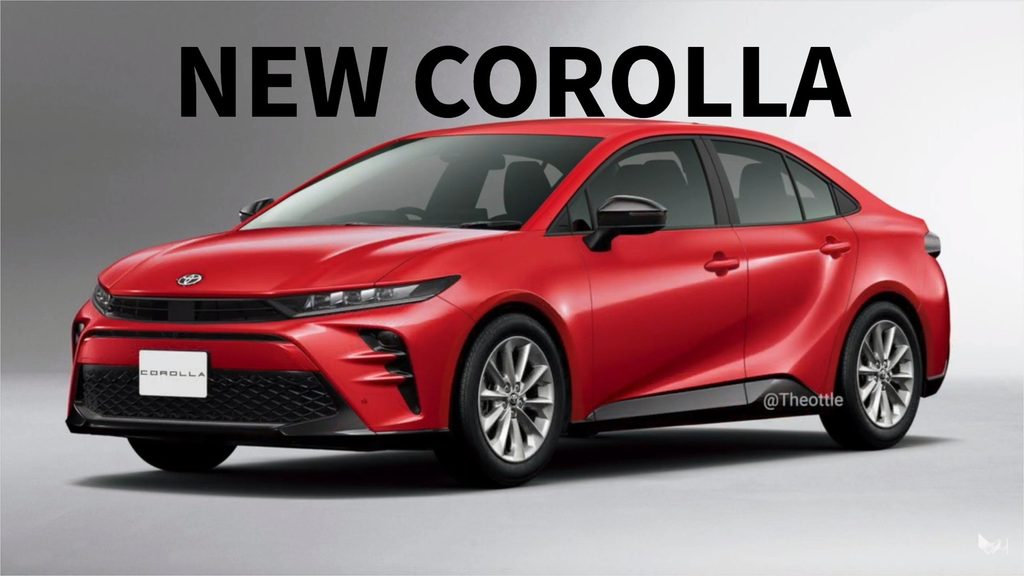
Toyota continues to expand its range of hybrid and electric vehicles in 2026, giving drivers more choices for better fuel efficiency, lower emissions, and modern technology. The Toyota 2026 Hybrid and EV lineup combines Toyota’s well-known reliability with updated powertrains, advanced safety systems, and comfortable interiors.
Whether you are looking for a fuel-efficient hybrid for daily driving or a fully electric vehicle for zero-emission travel, Toyota offers several options worth considering.
Toyota Hybrid and EV Overview
Toyota’s 2026 lineup includes traditional hybrid models, plug-in hybrids, and battery-electric vehicles. Hybrid models are especially popular because they can deliver strong fuel economy without requiring frequent charging.
Electric models, meanwhile, are designed for drivers who want a quieter and more environmentally friendly driving experience.
Key Features of Toyota Hybrid and EV
- Hybrid and fully electric powertrain options
- Excellent fuel efficiency
- Smooth and quiet performance
- Modern and aerodynamic exterior design
- Spacious and comfortable interior
- Advanced infotainment system
- Apple CarPlay and Android Auto
- Wireless smartphone charging
- Digital driver display
- Toyota Safety Sense technology
- Adaptive cruise control
- Lane departure and lane tracing assistance
- Pre-collision warning and automatic emergency braking
- Available all-wheel-drive options on selected models
- Regenerative braking technology
- Strong reliability and resale value
Exterior Design
Toyota’s 2026 hybrid and EV models feature modern designs with sharper lines, redesigned lighting, and aerodynamic styling. EV models generally have a cleaner and more futuristic appearance, while hybrid models maintain a familiar SUV or sedan design.
LED headlights, stylish alloy wheels, sculpted body panels, and distinctive front-end designs may be available depending on the model and trim.
Interior and Comfort
The Toyota 2026 Hybrid and EV lineup focuses on a comfortable, modern, and practical cabin. Depending on the model and trim, drivers can expect:
- Comfortable and supportive seats
- Spacious passenger cabin
- Modern dashboard design
- High-quality interior materials
- Large touchscreen infotainment system
- Digital instrument display
- Automatic climate control
- Heated and power-adjustable front seats on selected trims
- Wireless smartphone charging
- Apple CarPlay and Android Auto
- Multiple USB charging ports
- Ample storage compartments
- Foldable rear seats for extra cargo space
- Quiet cabin with reduced road and engine noise
- Available premium audio system on higher trims
Performance and Efficiency
Toyota hybrid vehicles combine a gasoline engine with electric motors to improve efficiency and provide smooth acceleration. The electric motor can assist the engine during acceleration and low-speed driving, helping reduce fuel consumption.
Toyota EVs use battery-powered electric motors and offer instant torque, quiet operation, and smooth acceleration. Exact range and performance depend on the specific model, battery size, drivetrain, and driving conditions
Technology Features
The Toyota 2026 Hybrid and EV lineup offers a range of modern technology features designed to make driving easier, safer, and more connected.
- Large touchscreen infotainment system
- Digital driver information display
- Apple CarPlay and Android Auto
- Wireless smartphone connectivity
- Wireless charging
- Multiple USB charging ports
- Voice command technology
- Built-in navigation on selected models
- Connected vehicle services
- Smart key and push-button start
- Remote vehicle functions on selected models
- Premium audio system on higher trims
- Over-the-air software updates on supported models
- Advanced parking assistance on selected models
- Regenerative braking technology in hybrid and EV models
Performance and Efficiency
Toyota hybrid vehicles combine a gasoline engine with electric motors to improve efficiency and provide smooth acceleration. The electric motor can assist the engine during acceleration and low-speed driving, helping reduce fuel consumption.
Toyota EVs use battery-powered electric motors and offer instant torque, quiet operation, and smooth acceleration. Exact range and performance depend on the specific model, battery size, drivetrain, and driving conditions.
Technology Features
- Large touchscreen infotainment system
- Digital driver display
- Apple CarPlay and Android Auto
- Wireless smartphone connectivity
- Wireless charging
- Multiple USB-C charging ports
- Voice control system
- Built-in navigation on selected trims
- Connected car services
- Smart key and push-button start
- Remote vehicle controls on supported models
- Premium audio system on higher trims
- Over-the-air software updates on supported vehicles
- Advanced parking assistance
- Regenerative braking technology for hybrid and EV models
Safety Features
- Toyota Safety Sense advanced safety technology
- Pre-Collision System with pedestrian detection
- Lane Departure Alert
- Lane Tracing Assist
- Adaptive Cruise Control
- Automatic High Beams
- Blind Spot Monitoring
- Rear Cross-Traffic Alert
- Rearview camera
- Parking sensors on selected trims
- Road Sign Assist on selected models
- Multiple airbags
- Vehicle Stability Control
- Traction Control
- Anti-lock Braking System (ABS)
- Electronic Brake-force Distribution (EBD)
- Tire Pressure Monitoring System (TPMS)
- Available parking assistance on higher trims
Pros
- Excellent fuel efficiency
- Smooth and quiet driving experience
- Modern hybrid and EV technology
- Lower emissions compared with traditional gasoline vehicles
- Strong Toyota reliability reputation
- Comfortable and practical interiors
- Advanced safety features
- Modern infotainment and connectivity
- Regenerative braking technology
- Multiple hybrid and EV options
- Good resale value in many markets
- Available advanced driver-assistance features
Cons
- Higher purchase price for some hybrid and EV models
- EV charging can take time compared with refueling
- Charging stations may be limited in some areas
- EV range can vary with driving conditions
- Battery replacement can be expensive outside warranty
- Higher trims can become costly
- Hybrid systems may require specialized servicing
- Limited availability of some models in certain markets
- Import taxes can increase prices in Pakistan
- Cargo space may be affected by battery placement in some models
Toyota Hybrid and EV Price
The Toyota 2026 Hybrid and EV price depends heavily on the model, trim level, battery configuration, and country. Prices can also vary because of taxes, import duties, registration costs, and dealership charges.
For buyers in Pakistan, the final price of an imported Toyota hybrid or EV can be significantly different from its international price.
Final Verdict
The Toyota 2026 Hybrid and EV lineup is a strong choice for drivers who want modern technology, efficient performance, and Toyota’s established reputation. Hybrid models are particularly appealing for people who want better fuel economy without depending on charging stations, while EVs can be a good option for drivers ready to move toward fully electric transportation.
Before buying, it is important to compare the exact model, battery range, features, warranty, availability, and local price.
FAQs
1. What is the Toyota Hybrid and EV lineup?
Toyota’s 2026 lineup includes hybrid, plug-in hybrid, and fully electric vehicles, depending on the market.
2. Are Toyota hybrid cars fuel efficient?
Yes, Toyota hybrid vehicles are designed to provide better fuel economy than many conventional gasoline-powered cars.
3. Are Toyota EVs fully electric?
Yes. Toyota’s battery-electric vehicles run entirely on electric power and do not use a gasoline engine for propulsion.
4. Which is better, Toyota Hybrid or EV?
A hybrid can be a good choice for long-distance driving and areas with limited charging. An EV may be better for drivers with easy access to charging.
5. Are Toyota Hybrid and EV models available in Pakistan?
Availability varies by model. Some vehicles may be available through official channels, while others may be imported independently.
6. Do Toyota hybrid cars need charging?
Most conventional Toyota hybrids do not need to be plugged in. Their batteries are charged through regenerative braking and the vehicle’s engine.
7. What are the main benefits of Toyota EVs?
Key benefits include quiet driving, instant electric torque, lower tailpipe emissions, and potentially lower running costs.
8. Do Toyota models have advanced safety features?
Many Toyota models offer advanced driver-assistance and safety technologies, although features vary by model and trim.
9. Is Toyota Hybrid reliable?
Toyota hybrids have a long history of hybrid technology and are generally known for reliability, though maintenance requirements vary by model.
10. What is the Toyota Hybrid and EV price?
T Toyota 2026 Hybrid and EV price depends on the model, trim, powertrain, taxes, and market. In Pakistan, imported vehicles may have additional duties and registration costs.



2 thoughts on “Toyota 2026 Hybrid and EV Price Features Performance & Review”