
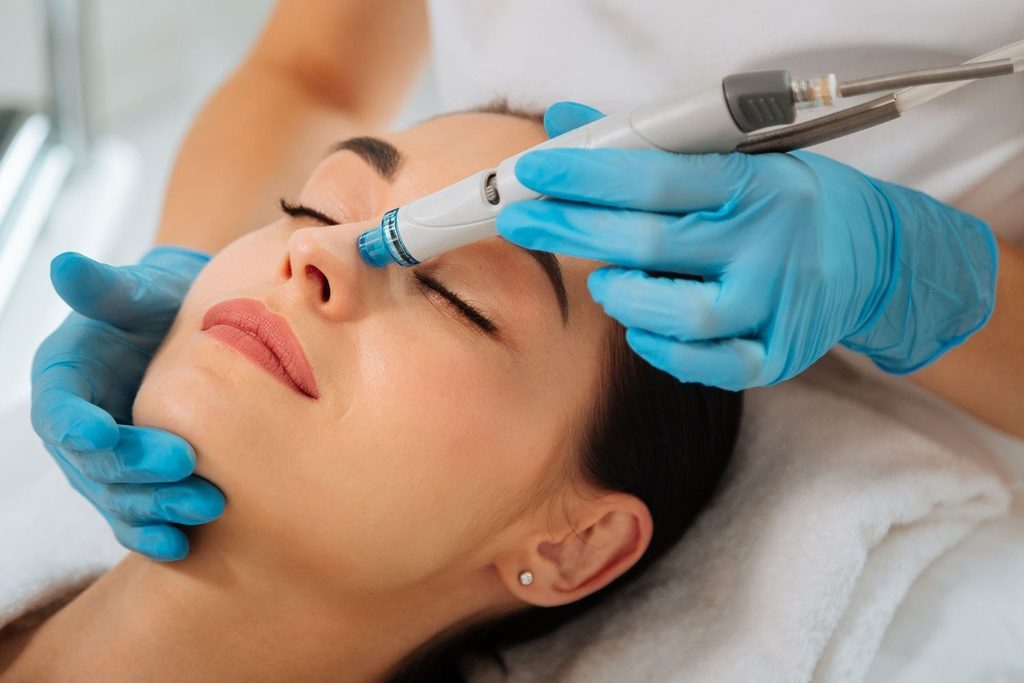
Open pore laser treatment are a common skin concern, especially on the nose, cheeks, and forehead. They can become more noticeable due to excess oil, sun exposure, aging, acne, and loss of skin elasticity. Open pores laser treatment is a modern cosmetic procedure that may help improve skin texture, reduce the appearance of enlarged pores, and create a smoother-looking complexion.
What Is Open Pore Laser Treatment?
Open pore laser treatment uses controlled laser energy to target the skin and stimulate collagen production. Depending on your skin type and concerns, a dermatologist may recommend treatments such as fractional laser resurfacing or other laser-based procedures.
The goal is to improve overall skin texture and make enlarged pores appear less visible.
Benefits of Open Pore Laser Treatment
- Reduces the Appearance of Enlarged Pores – Laser treatment can make large pores look smaller and less noticeable.
- Improves Skin Texture – It helps create a smoother and more even-looking skin surface.
- Boosts Collagen Production – Laser energy can stimulate collagen, which supports firmer and healthier-looking skin.
- Helps Reduce Acne Scars – Certain laser treatments may improve the appearance of mild to moderate acne scars.
- Improves Skin Tone – Some laser treatments can help improve uneven skin tone and surface irregularities.
- Makes Skin Look Smoother – By improving texture and collagen remodeling, the skin may appear more refined.
- Can Reduce Excess Oil Appearance – Depending on the treatment, improving skin texture and oil management may make pores less prominent.
- Refreshes Overall Skin Appearance – After the skin heals, many people notice a brighter, fresher, and more youthful-looking complexion.
Note: Laser treatment cannot permanently close pores. Results vary depending on skin type, pore size, laser type, and individual skin condition. A qualified dermatologist should recommend the appropriate treatment.
How Does the Treatment Work?
Before treatment, a skincare professional examines your skin and chooses an appropriate laser and treatment settings. The skin is cleaned, and a numbing cream may be applied if needed.
The laser delivers controlled energy to the targeted areas. This encourages the skin’s natural healing process and collagen remodeling. The treatment usually takes a short time, although the exact duration depends on the treatment area and laser type.
How Many Sessions Are Needed?
The number of sessions varies from person to person. Some people may notice an improvement after one treatment, while others may need a series of sessions for more noticeable results.
Your dermatologist can recommend a treatment schedule based on your pore size, skin condition, and desired results.
Is Open Pore Laser Treatment Safe?
Laser treatment can be safe when performed by a qualified and experienced dermatologist using an appropriate device and settings. Temporary redness, mild swelling, dryness, sensitivity, or peeling may occur after treatment.
People with darker skin tones may have a higher risk of pigmentation changes with certain lasers, so proper laser selection and professional assessment are particularly important.
Laser treatment can be safe when performed by a qualified and experienced dermatologist using an appropriate device and settings. Temporary redness, mild swelling, dryness, sensitivity, or peeling may occur after treatment.
People with darker skin tones may have a higher risk of pigmentation changes with certain lasers, so proper laser selection and professional assessment are particularly important.
Open Pore Laser Treatment Aftercare
- Use Sunscreen – Apply a broad-spectrum SPF 30 or higher and limit direct sun exposure.
- Keep Skin Moisturized – Use a gentle, fragrance-free moisturizer to support skin recovery.
- Cleanse Gently – Wash your face with a mild cleanser and avoid rubbing or scrubbing.
- Avoid Harsh Products – Temporarily avoid retinol, strong acids, exfoliants, and other irritating skincare products unless your dermatologist advises otherwise.
- Do Not Pick or Peel – Allow dryness, flaking, or peeling skin to heal naturally.
- Avoid Excessive Heat – Stay away from very hot showers, saunas, and intense heat during the recommended recovery period.
- Avoid Heavy Makeup Initially – Follow your provider’s advice about when it is safe to apply makeup.
- Keep the Skin Hydrated – Drink enough water and follow a simple skincare routine.
- Follow Your Dermatologist’s Instructions – Aftercare can vary depending on the type of laser and your skin condition.
- Contact Your Dermatologist if Needed – Seek professional advice if you develop severe swelling, worsening pain, blistering, signs of infection, or unusual skin discoloration.
When Can You See Results?
Results depend on the laser used and your individual skin condition. Skin may look temporarily red or irritated immediately after treatment. As the skin heals and collagen remodeling continues, texture and pore appearance may gradually improve.
Open Pore Laser Treatment vs. Home Skincare
Skincare products can help control oil, maintain hydration, and improve skin texture, but they cannot permanently remove pores. Laser treatment works deeper in the skin and may provide a more noticeable improvement for some people.
A combination of professional treatment and a suitable skincare routine may be recommended.
Who May Be a Good Candidate?
Laser treatment may be considered for adults who are concerned about enlarged pores, uneven texture, acne-related skin changes, or reduced skin firmness. However, the best treatment depends on your skin type, current skin condition, medications, and cosmetic goals.
A dermatologist should assess your skin before treatment.
Final Thoughts
Open pore laser treatment can be an effective option for improving the appearance of enlarged pores and creating smoother-looking skin. Results vary, and pores cannot usually be eliminated completely. Choosing the right laser and having the procedure performed by a qualified skin professional are important for safe and satisfactory results.
FAQs
1. Does open pore laser treatment permanently close pores?
No. Pores are a natural part of the skin and cannot be permanently closed. Laser treatment may help make enlarged pores look smaller and less noticeable.
2. Is open pore laser treatment painful?
Most people experience mild heat, tingling, or discomfort. A numbing cream may be used depending on the laser treatment.
3. How many sessions are needed?
The number of sessions varies depending on pore size, skin type, and the laser used. Your dermatologist can recommend a suitable treatment plan.
4. How long does it take to see results?
Results can develop gradually as the skin heals and collagen production increases. Some people notice improvement after one session, while others need multiple treatments.
5. Is there any downtime?
Downtime depends on the type and intensity of the laser. Mild redness, dryness, swelling, or peeling may occur temporarily.
6. Can laser treatment help acne scars?
Yes. Certain laser treatments can improve the appearance of acne scars and uneven skin texture.
7. Can I use makeup after laser treatment?
It depends on the laser used and your skin’s recovery. Follow your dermatologist’s instructions before applying makeup.
8. Is sunscreen necessary after treatment?
Yes. Daily broad-spectrum sunscreen is important because treated skin can be more sensitive to sunlight.
9. Is open pore laser treatment safe for all skin types?
Not necessarily. Some lasers carry a higher risk of pigmentation changes in darker skin tones. A qualified dermatologist should select the appropriate treatment.
10. Can I return to my normal skincare routine immediately?
Usually, strong products such as retinoids, exfoliating acids, and scrubs should be avoided temporarily. Resume them only when your skin has recovered or your dermatologist advises you to do so.




1 thought on “Open Pores Laser Treatment Benefits Procedure Results & Aftercare”