Artificial intelligence is quickly becoming part of the cybersecurity world. As AI agents become more capable, companies are developing new tools to monitor, control and protect these systems.
Unlike traditional chatbots, AI agents can interact with websites, software, APIs and other digital systems. They can make decisions and complete tasks with limited human involvement. This creates useful opportunities, but it also brings new security challenges.
Why AI Agents Need Strong Security
AI agents can access data and use digital tools to complete tasks. If an agent receives too many permissions or follows a harmful instruction, it could potentially perform an action that was not intended.
Security experts are therefore focusing on areas such as identity controls, access permissions, monitoring and activity logging.
New AI Security Tools Are Emerging
Technology companies are now creating security systems specifically for AI agents. These tools can monitor an agent’s actions, restrict access and detect suspicious behavior.
For example, Nvidia recently introduced its Open Agent Safety Platform, which includes OpenShell for controlling an agent’s working environment and Sentry for monitoring agent activity.
AI Can Also Help Defend Against Cyber Threats
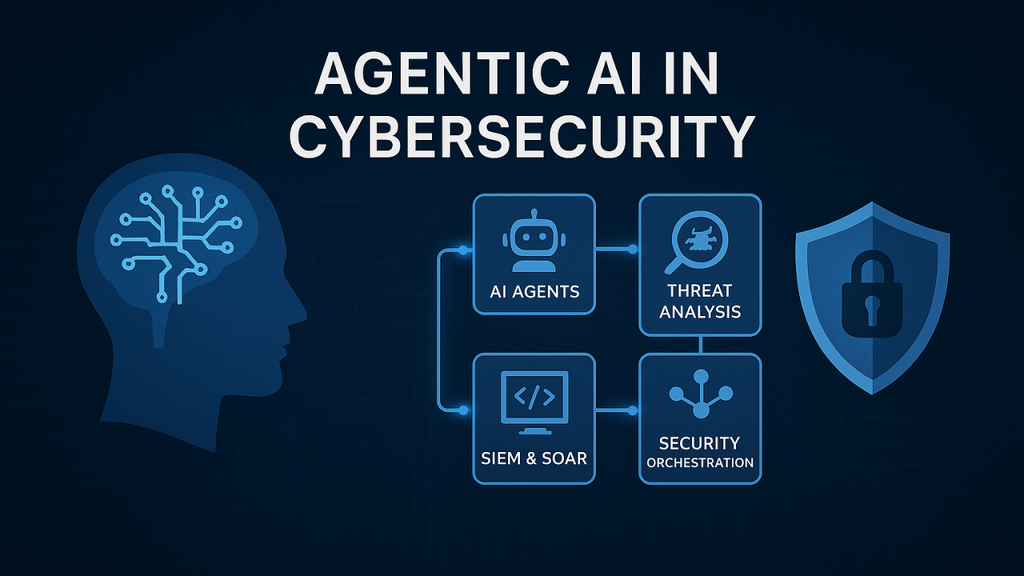
The relationship between AI and cybersecurity trends works both ways. AI can be used to improve cybersecurity by helping security teams detect, investigate and respond to threats faster.
Microsoft describes agentic AI in cybersecurity as a way to automate activities such as threat detection, investigation and response.
What Are the Main Security Risks?
Some important concerns include:
- Unauthorized access to systems
- Exposure of sensitive information
- Prompt injection attacks
- Excessive permissions
- Misuse of connected tools
- Incorrect or unexpected AI actions
- Security problems in third-party software and APIs
Security organizations have emphasized that AI agents require a combination of traditional cybersecurity trends practices and additional controls designed for autonomous systems.
Why Human Oversight Still Matters
AI security tools can monitor systems and respond quickly, but human oversight remains important. Companies need clear rules about what an AI agent can access and which actions require human approval.
As AI agents become more connected to business systems, continuous monitoring and strong security controls will become increasingly important.
FAQs
1. Why are AI and cybersecurity becoming more connected?
AI is being used to detect threats and improve security, while AI agents also create new security risks.
2. What are AI agents?
AI agents are systems that can perform tasks and interact with websites, software, APIs and other digital tools.
3. What are the main security risks of AI agents?
Risks include unauthorized access, data exposure, excessive permissions, prompt injection and unexpected actions.
4. Can AI help protect against cyberattacks?
Yes. AI can help security teams detect suspicious activity, investigate threats and respond more quickly.
5. Why do AI agents need monitoring?
Monitoring helps companies understand what an AI agent is doing and identify unusual or unauthorized activity.
6. Is human oversight still important?
Yes. Human approval can be important for sensitive actions, especially when AI agents have access to important systems or data.
7. Will AI cybersecurity become more important?
As AI agents become more capable and connected to digital systems, cybersecurity is expected to remain an important part of AI development.