Net metering in Pakistan has become one of the most discussed topics among people investing in solar energy. With electricity prices continuing to rise and more people installing solar panels, many Pakistanis are now asking an important question: Is net metering still worth it in Pakistan in 2026?
Yes. For many consumers, net metering still remains a valuable long term investment. However, there are several important factors people should understand before installing a solar system.
What Is Net Metering?
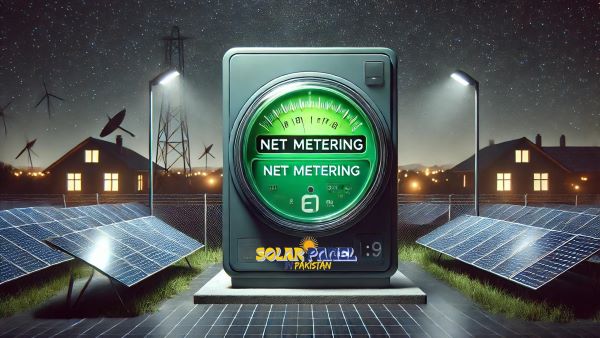
Net metering allows solar panel users to send excess electricity back to the national grid. In return, electricity units are adjusted against the units consumed from the grid.
This means individuals can significantly reduce monthly electricity bills by generating their own solar power.
Why Pakistanis Are Still Choosing Net Metering
Electricity prices in Pakistan continue to increase due to:
- Fuel adjustment charges
- Higher electricity tariffs
- Inflation and rising energy costs
- Increased taxes and utility expenses
Because of these rising costs, solar systems with net metering still offer major financial relief for many households.
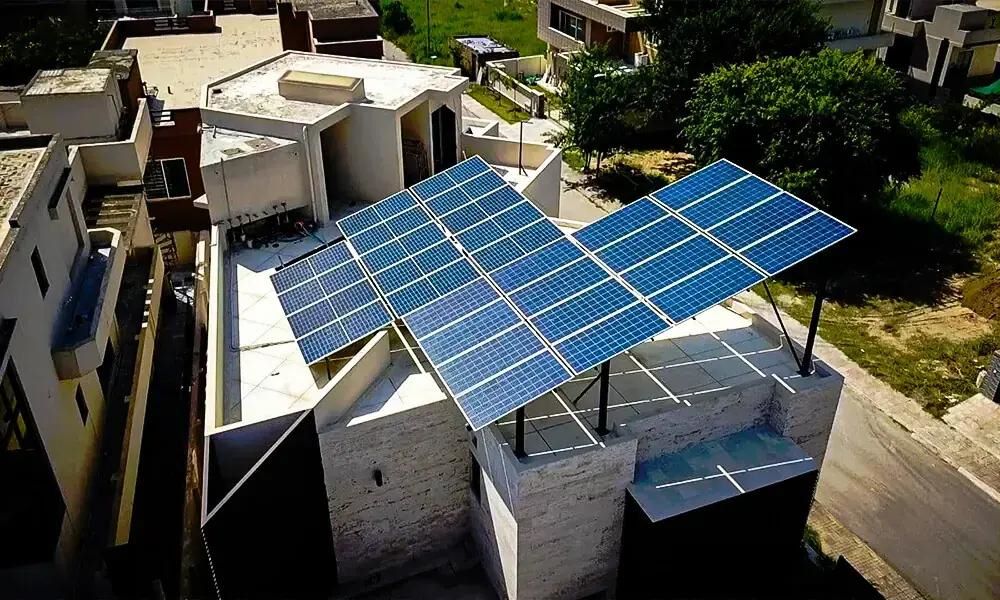
In cities like Karachi, Lahore, Islamabad and Faisalabad, people are increasingly installing solar panels to reduce dependence on expensive grid electricity.
Major Benefits of Net Metering in Pakistan
1. Lower Monthly Electricity Bills
One of the biggest advantages of net metering is reduced electricity bills. Many solar users save thousands of rupees every month.
2. Protection From Future Electricity Price Hikes
Electricity tariffs in Pakistan are expected to keep rising. Solar users become less affected by future increases.
3. Better Return on Solar Investment
Instead of wasting unused solar electricity, net metering allows consumers to export extra units to the grid and receive bill adjustments.
4. Eco-Friendly Energy Solution
Solar energy reduces dependence on fossil fuels and helps support cleaner energy production in Pakistan.
Concerns About Net Metering Policies
Although net metering remains beneficial, there are growing concerns regarding possible policy changes and revised buyback rates in Pakistan.
Experts believe future regulations could reduce the financial advantages of exporting excess electricity to the grid. However, even with policy adjustments, solar systems still provide strong savings because users consume their own generated electricity first.
For most households, the biggest savings come from reducing electricity consumption from the grid rather than exporting electricity alone.
Is Solar Still a Good Investment?
For homes with high electricity usage, solar energy and net metering can still recover installation costs within a few years.
It is especially beneficial for:
- Large households
- Commercial properties
- Factories and businesses
- Schools and hospitals
- Offices with high daytime electricity usage
Pakistan receives strong sunlight throughout most of the year, making solar energy practical in many cities.
Things to Consider Before Installing Net Metering
Before investing in solar panels, consumers should consider:
- Initial installation cost
- Roof space availability
- Quality of solar panels and inverter
- Approved installation companies
- Current electricity usage patterns
- Future policy changes
Using high-quality equipment and experienced installers is extremely important for long-term performance.
Net metering in Pakistan is still worth it for many people and businesses in 2026, especially with rising electricity prices and increasing energy costs. While future policy changes may affect export rates, solar energy continues to provide long term savings, energy independence and protection from high utility bills.
For consumers planning carefully and using quality solar systems, net metering remains one of the smartest energy investments available in Pakistan today.