Voice-based AI communication is becoming one of the most exciting technology trends in 2026. Instead of typing questions or commands, users can simply talk to AI using their natural voice.
Modern voice AI can understand spoken words, respond quickly, and support more natural conversations. This technology is being used in customer service, education, business, smart devices, and everyday personal assistance.
What Is Voice-Based AI Communication?
Voice-based AI communication is a technology that allows people to communicate with artificial intelligence through spoken language.
You can ask a question, give an instruction, or have a conversation with an AI system using your voice. The AI listens to what you say, understands the request, and provides a spoken or written response
How Does Voice-Based AI Communication Work?
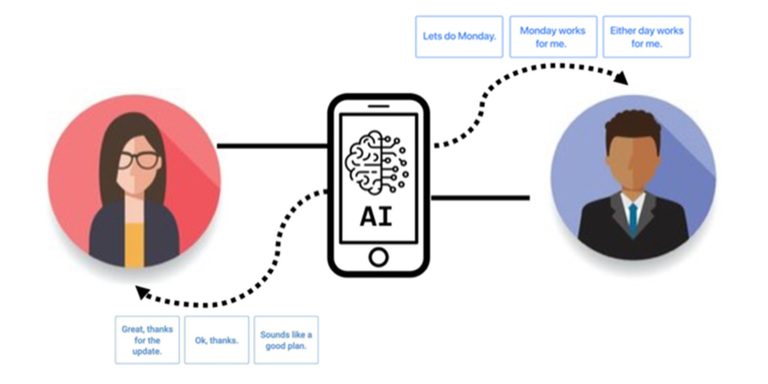
Voice-based AI communication works in a few simple steps:
- You Speak: You talk to the AI through a microphone.
- AI Listens: The AI listens to your voice and understands your words.
- AI Thinks: It processes your question and finds the right answer.
- AI Responds: It gives you an answer using text or voice.
- You Continue: You can keep talking and have a natural conversation.
Key Features of Voice AI Communication
- Natural Conversation: Talk to AI like you talk to a person.
- Quick Responses: AI can answer your questions quickly.
- Hands-Free Use: You can use voice AI without typing.
- Multiple Languages: Many voice AI tools support different languages.
- Easy to Use: Simply speak your question or command.
- 24/7 Support: AI can provide help at any time.
- Personalized Answers: AI can give answers based on your needs.
- Voice Recognition: AI can understand spoken words and commands.
Examples of Voice-Based AI Communication
- AI Voice Assistants: Ask questions and get answers by speaking.
- Customer Support: Talk to an AI agent to get help with common problems.
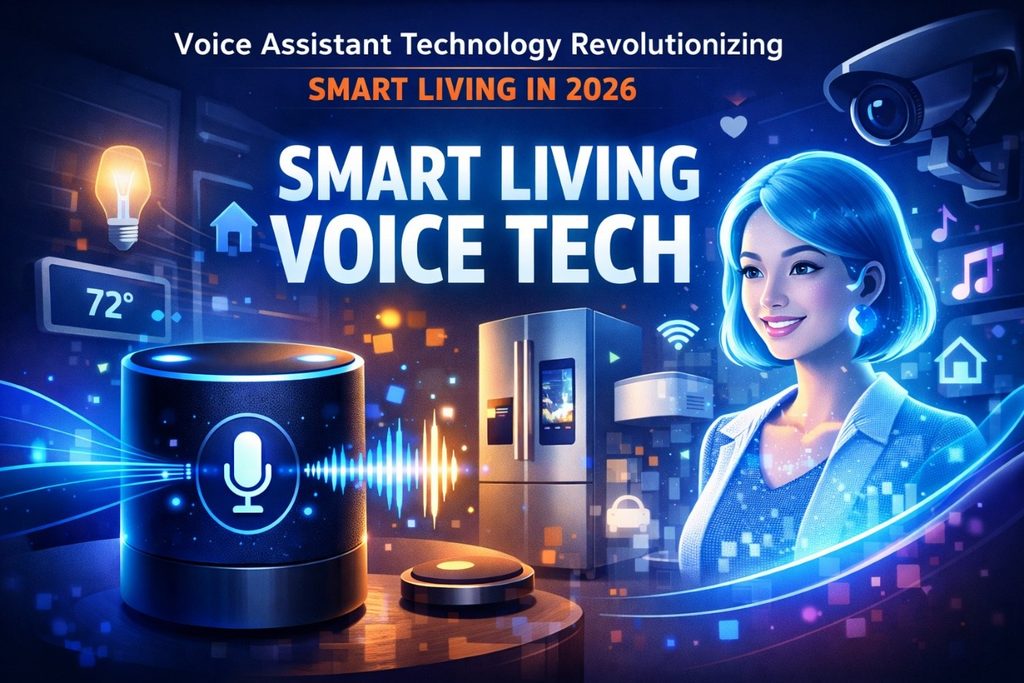
- Smart Homes: Control lights, fans, TVs, and other devices with your voice.
- Voice Search: Search for information on Google or other platforms by speaking.
- Education: Students can ask questions and learn through voice conversations.
- Navigation: Give voice commands to find places and get directions.
- Language Learning: Practice speaking and listening with an AI tutor.
- Business: Use voice AI to handle calls and answer customer questions.
Benefits of Voice-Based AI Communication
- Easy to Use: Just speak instead of typing.
- Saves Time: Get answers quickly.
- Hands-Free: Use AI while doing other tasks.
- Natural Conversation: Talk to AI in a simple, natural way.
- 24/7 Availability: AI can help at any time.
- Better Accessibility: Voice AI can help people who find typing difficult.
- Multiple Languages: Many systems can understand different languages.
- Better Customer Service: Businesses can answer customer questions quickly.
Voice AI in Business
Businesses are increasingly interested in voice AI because it can improve customer communication. AI voice assistants can answer common questions, provide information, help customers, and support employees.
For example, a company may use an AI voice assistant to handle basic customer inquiries before transferring complex issues to a human employee.
Voice-Based AI vs Traditional Text Chat
Traditional AI chat usually requires users to type questions and read responses. Voice AI allows users to speak and listen, creating a more interactive experience.
Voice communication can be especially useful when users need quick information or cannot conveniently type.
Challenges of Voice-Based AI
- Background Noise: Noise can make it difficult for AI to understand speech.
- Accent Problems: Some accents may not be understood correctly.
- Misunderstanding: AI can sometimes misunderstand what a person says.
- Privacy Concerns: Voice data needs to be kept safe and private.
- Internet Connection: Some voice AI services need a good internet connection.
- Limited Understanding: AI may struggle with unclear or complex conversations.
- Language Support: Not every AI system supports all languages and dialects.
Future of Voice-Based AI Communication
The future of voice AI looks promising. As AI models become better at understanding context, emotion, and natural speech, conversations with machines may become even more human-like.
Voice AI could become a normal part of smartphones, cars, websites, workplaces, smart homes, and customer service systems.
FAQs
1. What is voice-based AI communication?
It allows people to talk to AI using their voice instead of typing.
2. How does voice AI work?
AI listens to your voice, understands your words, and gives an answer.
3. What are the benefits of voice AI?
It is easy to use, saves time, and allows hands-free communication.
4. Where is voice AI used?
It is used in customer service, smartphones, education, smart homes, cars, and businesses.
5. Can voice AI understand different languages?
Yes, many voice AI systems can understand and speak multiple languages.
6. Is voice-based AI always accurate?
No. Background noise, accents, or unclear speech can sometimes cause mistakes.
7. Is voice AI safe to use?
It can be safe, but users should choose trusted services and be careful about sharing private information.
8. Will voice AI become more popular in the future?
Yes, voice AI is expected to become an important part of everyday communication.