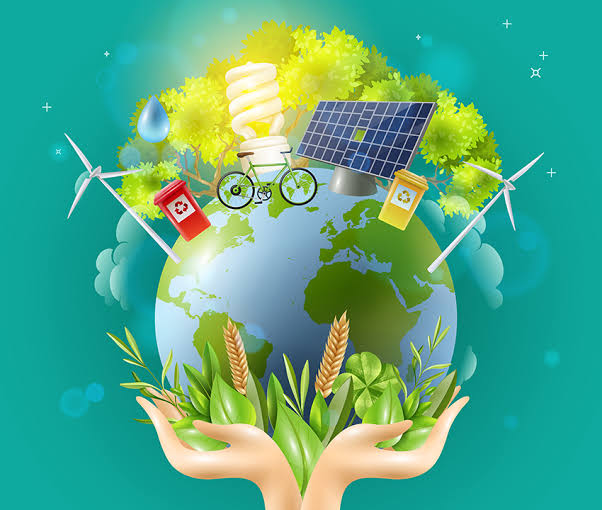
Green technology is becoming an important part of modern life. It helps reduce pollution, save energy, protect natural resources, and support a cleaner future. From solar panels and electric vehicles to smart energy systems and recycling, green technology is changing how people and businesses use resources.
In this guide, we will explain what green technology is, its types, benefits, examples, and future in simple words.
What Is Green Technology?
Green technology, also known as clean technology or green tech, refers to technologies that are designed to reduce environmental damage.
These technologies focus on using energy and natural resources more efficiently while reducing waste and pollution.
Why Is Green Technology Important?
Green technology is important because traditional energy sources and industrial activities can contribute to pollution and greenhouse-gas emissions.
Green solutions can help:
- Reduce air and water pollution
- Save energy
- Reduce waste
- Protect natural resources
- Support renewable energy
- Improve energy efficiency
- Encourage sustainable development
Types of Green Technology
1. Solar Energy
Solar technology uses sunlight to produce electricity and heat. Solar panels can be installed on homes, businesses, and large solar farms.
2. Wind Energy
Wind turbines convert wind into electricity. Wind power is a renewable energy source and can help reduce dependence on fossil fuels.
3. Electric Vehicles
Electric vehicles (EVs) use electricity instead of petrol or diesel for propulsion. They can help reduce tailpipe emissions and support cleaner transportation.
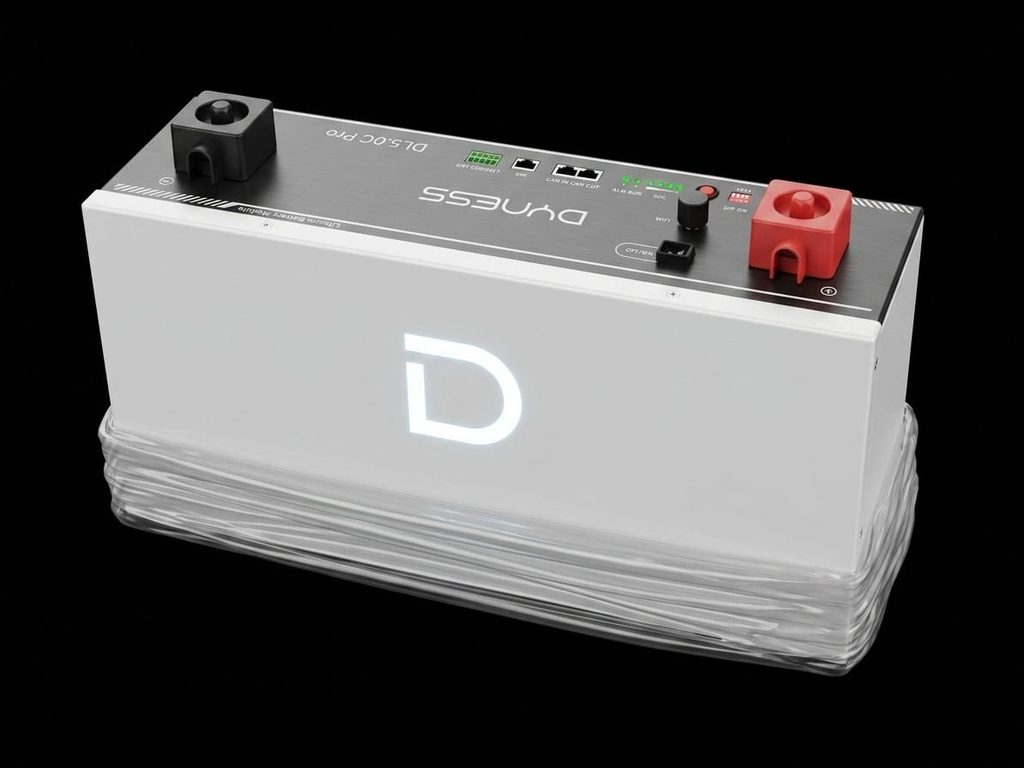
4. Battery Storage
Energy-storage systems allow electricity to be stored for later use. Batteries are especially useful for storing electricity generated by solar and wind power.
5. Green Buildings
Green buildings are designed to use less energy and water. Energy-efficient lighting, insulation, smart controls, and renewable energy can make buildings more sustainable.
6. Smart Energy Technology
Smart meters, smart grids, and energy-management systems can monitor and optimize electricity consumption.
7. Recycling Technology
Modern recycling systems help recover useful materials from waste. Better sorting and processing technologies can improve recycling efficiency.
8. Sustainable Agriculture
Technology can help farmers use water, fertilizers, and other resources more efficiently. Sensors, drones, GPS systems, and data analysis can support more sustainable farming.
Examples of Green Technology
Some common examples include:
- Solar panels
- Wind turbines
- Electric cars
- Electric buses
- Battery storage systems
- Smart meters
- Energy-efficient appliances
- LED lighting
- Water-saving systems
- Recycling machines
- Green building systems
- Renewable-energy technologies
Benefits of Green Technology
Lower Pollution
Clean technologies can help reduce pollution from energy production, transportation, and industrial activities.
Energy Savings
Energy-efficient devices and smart systems can reduce unnecessary energy consumption.
Reduced Waste
Recycling and waste-management technologies can help recover materials and reduce landfill waste.
Renewable Energy
Solar and wind technologies provide alternatives to finite fossil-fuel resources.
Lower Operating Costs
Some green technologies require a higher initial investment but can reduce energy and maintenance costs over time.
New Jobs and Businesses
The growth of renewable energy, electric vehicles, energy storage, and environmental services is creating new business and employment opportunities.
Green Technology in Different Industries
| Industry | Green Technology Examples |
|---|---|
| Transport | Electric vehicles, charging systems |
| Energy | Solar, wind, battery storage |
| Construction | Green buildings, efficient insulation |
| Agriculture | Smart irrigation, sensors, drones |
| Manufacturing | Energy-efficient machinery, recycling |
| Homes | Solar panels, smart energy systems |
| Waste Management | Recycling and waste-to-energy systems |
Green Technology and Artificial Intelligence
Artificial intelligence can also support green technology. AI can analyze large amounts of data to improve energy management, predict equipment problems, optimize transportation routes, and help businesses reduce resource consumption.
This combination of AI and green technology could become increasingly important in the coming years.
Challenges of Green Technology
Green technology also has some challenges:
- High initial costs
- Need for skilled workers
- Limited infrastructure in some areas
- Battery recycling challenges
- Dependence on suitable locations for renewable energy
- Need for better energy-storage solutions
- Government regulations and policies
Future of Green Technology
The future of green technology looks promising. Advances in solar power, batteries, electric vehicles, smart grids, energy-efficient buildings, recycling, and sustainable manufacturing could make clean technologies more practical and accessible.
Businesses and consumers are also becoming more interested in reducing energy use and environmental impact.
FAQs.
1. What is green technology?
Green technology is technology designed to reduce pollution, save energy, protect natural resources, and support a cleaner environment.
2. What are examples of green technology?
Common examples include solar panels, wind turbines, electric vehicles, battery storage, smart grids, energy-efficient appliances, and recycling systems.
3. Why is green technology important?
It helps reduce environmental pollution, conserve resources, improve energy efficiency, and support sustainable development.
4. What are the main types of green technology?
Major types include renewable energy, electric transportation, green buildings, energy storage, recycling technology, and sustainable agriculture.
5. How does solar energy help the environment?
Solar panels generate electricity from sunlight and can reduce the need for electricity produced from fossil fuels.
6. Are electric vehicles green technology?
Yes. Electric vehicles are considered green technology because they have no tailpipe emissions and can help reduce pollution.
7. What are the benefits of green technology?
Key benefits include lower pollution, energy savings, reduced waste, better resource use, and support for renewable energy.
8. Is green technology expensive?
Some green technologies have higher upfront costs, but they can provide long-term savings through lower energy and operating costs.
9. Can green technology help businesses?
Yes. Businesses can use green technology to reduce energy costs, improve efficiency, reduce waste, and meet sustainability goals.
10. What is the future of green technology?
The future is expected to include better batteries, renewable energy, electric vehicles, smart energy systems, sustainable buildings, and advanced recycling technologies.