
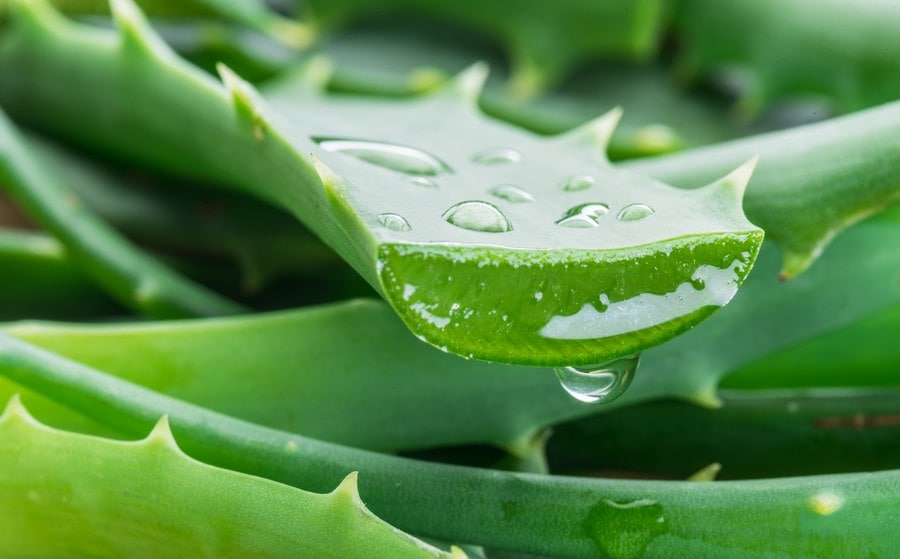
Aloe vera is a popular plant known for its soothing and moisturizing properties. It has been used for many years in skincare, hair care, and traditional wellness practices. Aloe vera gel contains water and various naturally occurring compounds, making it a common ingredient in creams, lotions, shampoos, and other products.
In this guide, we will discuss aloe vera benefits and its common uses in simple words.
What Is Aloe Vera?
Aloe vera is a succulent plant with thick, green leaves. The leaves contain a clear gel that is commonly used on the skin. Aloe vera gel is especially popular for its cooling and soothing feel.
Aloe Vera Benefits
Aloe vera is widely used in skincare, hair care, and wellness products. Some common benefits include:
- Soothes skin: Aloe vera gel can help calm irritated or uncomfortable skin.
- Moisturizes skin: Its water-rich gel can help keep skin hydrated and soft.
- Cools sun-exposed skin: It may provide a cooling and soothing feeling after sun exposure.
- Supports skin care: Regular use in suitable products may help skin feel refreshed and smooth.
- May support minor skin healing: Aloe vera has been studied for its potential role in skin healing.
- Helps moisturize hair: Aloe vera can add moisture and softness to dry hair.
- Refreshes the scalp: It may help provide a cooling, moisturizing feel to the scalp.
- Used in wellness products: Some aloe products are marketed for digestive health, but oral aloe can cause side effects and should be used carefully.
Important: Aloe vera is not a replacement for medical treatment, and oral aloe products should be used according to product instructions or professional advice.
Common Uses of Aloe Vera
Aloe vera is a versatile plant commonly used in skin care, hair care, and wellness products. Some common uses include:
- Skin Moisturizer: Aloe vera gel can help keep the skin hydrated and soft.
- After-Sun Care: It can provide a cooling and soothing feeling to sun-exposed skin.
- Face Care: Aloe vera is used in creams, gels, and face masks.
- Hair Care: It can be used to moisturize dry hair and the scalp.
- Scalp Care: Aloe vera may provide a refreshing and moisturizing effect.
- Minor Skin Irritation: Its soothing properties can help calm mild skin discomfort.
- Cosmetic Products: Aloe vera is commonly added to lotions, cleansers, shampoos, and conditioners.
- Aloe Vera Drinks: Some specially prepared aloe products are consumed as beverages, although oral use should be done carefully because some preparations can cause side effects.
How to Use Aloe Vera on Skin
Aloe vera gel can be used as a simple skincare product to help soothe and moisturize the skin. Follow these easy steps:
- Clean your skin – Wash your face or the area where you want to apply aloe vera.
- Take a small amount – Use fresh aloe vera gel or a commercially prepared aloe vera gel.
- Apply gently – Spread a thin layer over the skin without rubbing too hard.
- Leave it on – Let the gel absorb and dry naturally. If it feels sticky or uncomfortable, wash it off after a short time.
- Moisturize if needed – You can apply your usual moisturizer afterward if your skin feels dry.
- Patch test first – Apply a small amount to a limited area before using it more widely.
- Stop if irritation occurs – If you notice redness, itching, burning, or swelling, wash it off and stop using it.
Aloe Vera for Hair
Aloe vera is commonly used in hair-care routines because its gel can provide moisture and a refreshing feel to the hair and scalp.
Benefits of Aloe Vera for Hair
- Moisturizes dry hair: Aloe vera gel can help add moisture to dry or rough hair.
- Soothes the scalp: It may provide a cooling and soothing feeling.
- Helps condition hair: Aloe vera can make hair feel softer and smoother.
- Supports scalp care: Its moisturizing properties may help with a dry-feeling scalp.
- Makes hair feel refreshed: It can be used as a simple hair and scalp treatment.
How to Use Aloe Vera on Hair
- Take a small amount of aloe vera gel.
- Apply it gently to the scalp and hair.
- Leave it on for around 15–30 minutes.
- Rinse thoroughly with water and shampoo if needed.
- Use it once or twice a week as part of your hair-care routine.
Important Safety Tips When Using Aloe Vera
- Do a patch test first before applying aloe vera to your face, scalp, or body.
- Stop using it if you experience itching, redness, burning, or swelling.
- Avoid contact with the eyes.
- Do not apply aloe vera to deep wounds or serious burns without medical advice.
- If using fresh aloe vera, remove the yellow latex (aloin-containing sap) before using the clear inner gel.
- Do not consume aloe vera gel or latex casually, as some oral aloe preparations can cause diarrhea, cramps, and other side effects.
- Pregnant or breastfeeding women should consult a healthcare professional before taking aloe vera orally.
- Keep aloe vera products away from children.
- Always follow the instructions on commercial aloe vera products
FAQs
1. Is aloe vera good for skin?
Yes, aloe vera can help soothe and moisturize the skin and is commonly used in skincare products.
2. Can I use aloe vera on my face every day?
Some people can use it regularly, but it is better to start with a small amount and do a patch test first.
3. Can aloe vera help dry skin?
Yes, aloe vera can provide moisture and may help skin feel softer and more comfortable.
4. Is aloe vera good for hair?
Aloe vera can help moisturize hair and the scalp and may leave hair feeling softer.
5. How long should I leave aloe vera on my hair?
You can generally leave a hair treatment on for about 15–30 minutes before rinsing.
6. Can aloe vera remove dandruff?
Aloe vera may soothe a dry or irritated scalp, but it is not a proven cure for dandruff.
7. Can aloe vera treat hair loss?
There is not enough strong evidence to say that aloe vera can treat hair loss or baldness.
8. Can I drink aloe vera?
Some aloe products are made for oral use, but they should be used carefully because certain preparations can cause stomach cramps or diarrhea.
9. Can aloe vera cause skin irritation?
Yes. Some people may develop redness, itching, burning, or an allergic reaction. A patch test is recommended.
10. Does aloe vera replace sunscreen?
No. Aloe vera may soothe sun-exposed skin, but it does not protect the skin from harmful UV rays.
8