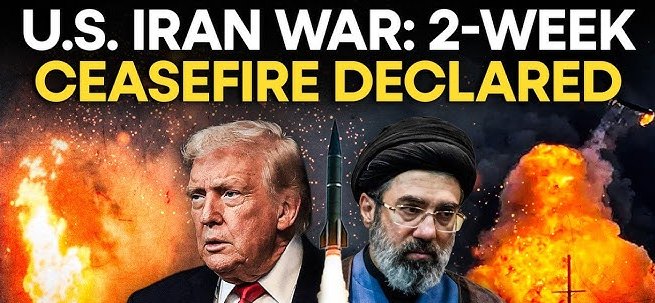
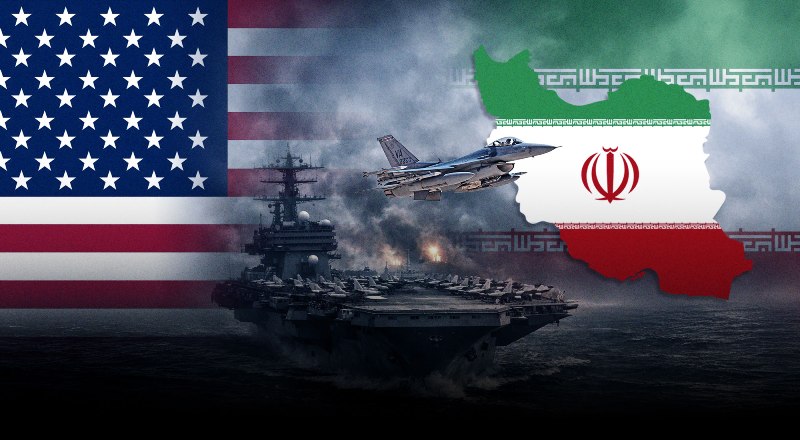
The ongoing conflict between the United States and Iran has entered a dangerous new phase in April 2026, with both sides escalating military actions and threatening further destruction. What began as targeted airstrikes has now evolved into a broader regional crisis, raising fears of a prolonged war and global instability.
Recent Developments on the Ground
In the latest escalation, U.S. forces reportedly carried out major airstrikes targeting critical Iranian infrastructure, including bridges and potential energy facilities. These strikes are part of a broader strategy aimed at weakening Iran’s military logistics and forcing Tehran into negotiations.
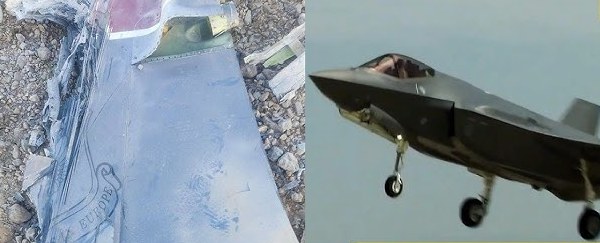
Iran has responded with missile and drone attacks across the region, targeting U.S. bases and allied infrastructure in the Gulf. In a significant development, Iranian forces claimed to have shot down a U.S. fighter jet, highlighting the growing intensity of direct confrontation between the two nations.
How the Conflict Started
The war officially began on February 28, 2026, when U.S. and allied forces launched coordinated airstrikes on Iranian military and nuclear sites. Iran quickly retaliated, leading to a cycle of attacks that has continued for over a month.
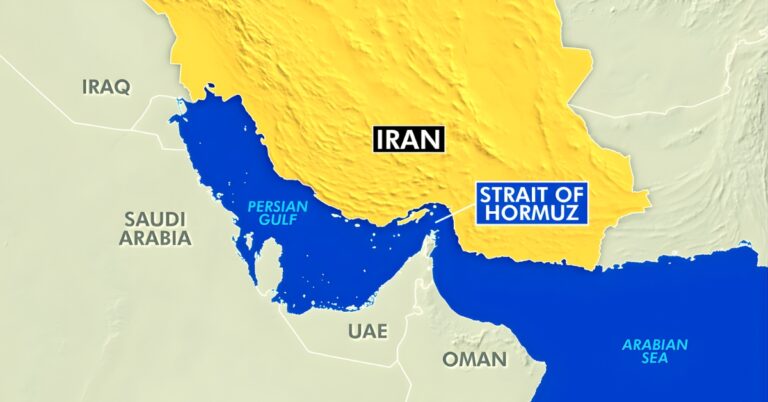
Since then, the conflict has expanded beyond Iran’s borders, affecting countries across the Middle East and threatening vital global trade routes, especially near the Strait of Hormuz.
Humanitarian and Economic Impact
The war has already caused severe humanitarian consequences, with thousands reported dead and millions displaced. Critical infrastructure damage has disrupted electricity, water supply, and transportation systems in affected areas.
On the economic front, global oil prices have surged due to instability in the region, impacting economies worldwide. Energy markets remain volatile as fears grow over potential disruptions in oil shipments.
Global Reactions and Diplomatic Efforts
International concern is rising rapidly, with several countries calling for an immediate ceasefire. Diplomatic efforts are underway, including proposals for negotiations and mediation by regional powers. However, both Washington and Tehran continue to exchange strong warnings, making a peaceful resolution uncertain.
Analysts warn that without urgent diplomatic intervention, the conflict could expand into a wider regional war involving multiple countries.
What Happens Next?
The future of the US-Iran war remains uncertain. While the United States has hinted at further military action if Iran does not comply with its demands, Iran has made it clear that it will continue to resist and retaliate.
With rising casualties, economic disruption, and increasing global pressure, the coming weeks will be critical in determining whether the conflict escalates further or moves toward a negotiated settlement.
Conclusion
The 2026 US-Iran war is rapidly becoming one of the most significant geopolitical crises in recent years. As military operations intensify and diplomatic efforts struggle to keep pace, the world watches closely—hoping for de-escalation but preparing for the possibility of a wider conflict.