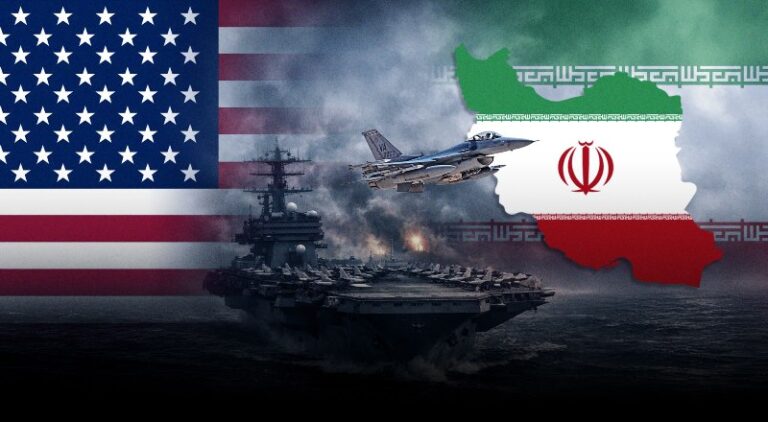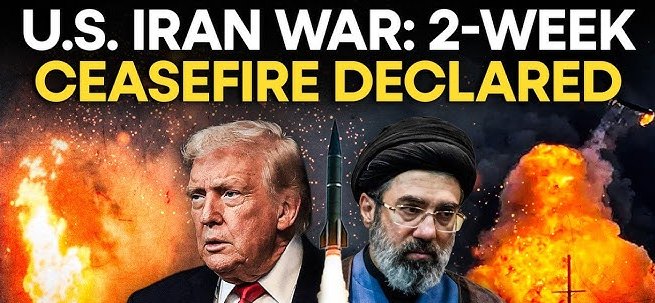
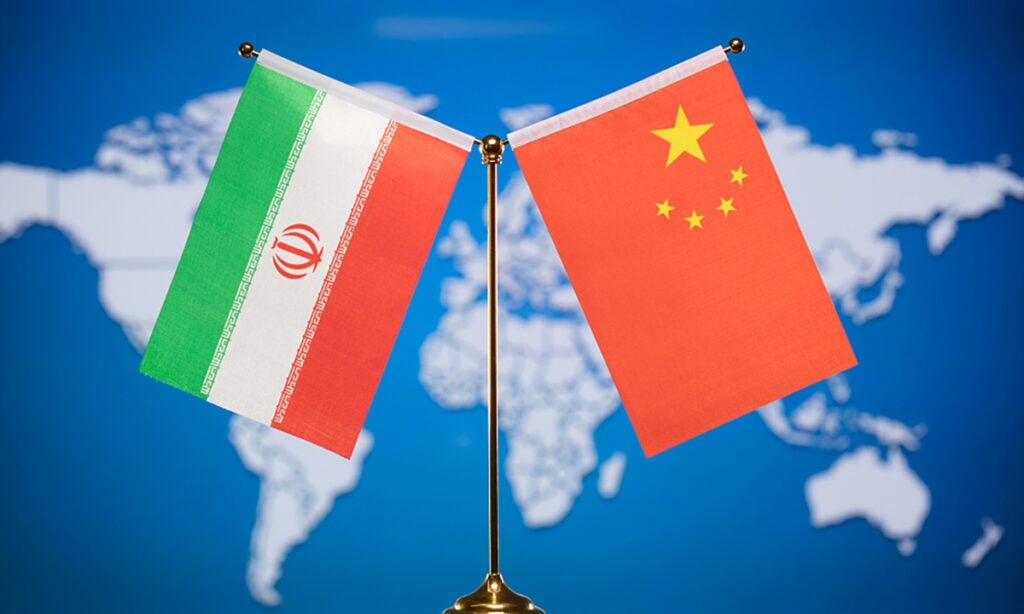
The ongoing Middle East conflict, particularly the war involving Iran, is reshaping global alliances and testing long-standing partnerships. One of the most closely watched relationships is between China and Iran. While both countries have maintained strong economic and strategic ties over the years, the current war is forcing Beijing to carefully balance its interests.
China–Iran Relations: Strong but Strategic
China and Iran have built a mutually beneficial relationship, largely driven by energy and trade. China has been the largest buyer of Iranian oil, purchasing a significant share of Tehran’s exports.
However, this relationship is more transactional than ideological. China depends on Iran for discounted oil, while Iran relies heavily on Chinese markets to sustain its economy under sanctions.
China’s Neutral Position in the War
Despite its ties with Iran, China has taken a cautious and neutral stance in the conflict. Instead of direct military involvement, Beijing has focused on:
- Calling for ceasefire and peace talks
- Avoiding direct confrontation with Western powers
- Maintaining diplomatic flexibility in the region
China’s approach reflects its broader foreign policy strategy—avoid war, protect trade, and maintain stability.
Energy Security: A Major Concern
One of the biggest impacts of the war on China is energy security. Iran is an important oil supplier, and disruptions in key routes like the Strait of Hormuz are creating serious risks.
- The conflict has disrupted global oil supplies, affecting up to 30% of oil flows
- Shipping through the Strait of Hormuz has become risky and limited
- Rising fuel costs are already impacting Chinese industries and airlines
For China, which is one of the world’s largest energy importers, this creates economic pressure and inflation risks.
Economic Impact on China
The war is also affecting China’s broader economy:
- Rising oil prices increase manufacturing costs
- Global uncertainty reduces demand for Chinese exports
- Supply chain disruptions threaten industrial growth
Even though China’s factory activity has shown resilience, analysts warn that a prolonged conflict could slow economic growth.
Limited Support for Iran
While China continues to cooperate with Iran, its support remains measured and indirect. Reports suggest:
- Diplomatic backing and mediation efforts
- Limited technical or logistical assistance
- No direct military involvement
China is careful not to fully align with Iran in a way that could trigger sanctions or damage relations with Western economies.
A Balancing Act for Beijing
China’s strategy can be summed up as a delicate balancing act:
- Maintain strong ties with Iran for energy needs
- Avoid confrontation with the United States and allies
- Position itself as a future mediator in the region
Beijing is also thinking long-term—looking at opportunities for post-war reconstruction and investment in the Middle East.
Final Verdict
The Middle East war is testing the strength of China-Iran relations, but it is unlikely to break them. Instead, it is redefining the partnership into a more pragmatic and cautious alliance.
China’s priority remains clear:
👉 Protect its economy
👉 Secure energy supplies
👉 Avoid being pulled into military conflict
As the war continues, China will likely stay on the sidelines—supporting Iran economically while promoting diplomacy on the global stage.