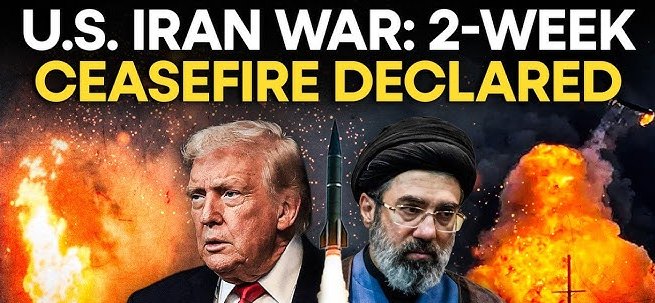
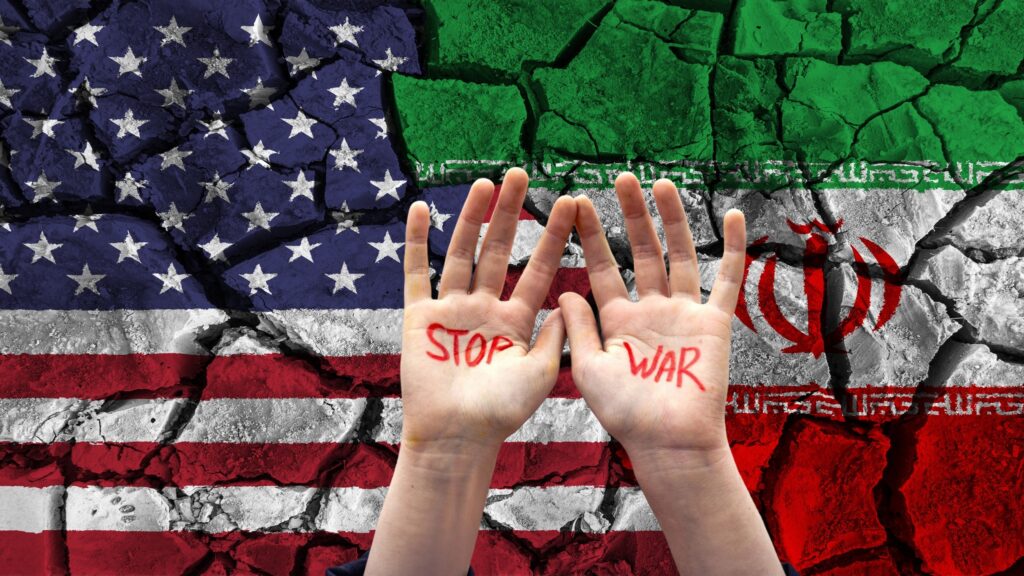
he ongoing Iran–USA war has entered a critical phase in April 2026, with rising military tensions, global economic impact, and unclear political outcomes. While both sides claim progress, the reality on the ground remains complex and uncertain.
- The United States has intensified military strikes on Iran, with President Donald Trump stating the war is “nearing completion,” but no clear exit strategy has been announced.
- Iran continues retaliatory missile and drone attacks, targeting US allies and regional infrastructure.
- Oil prices have surged above $100 per barrel, causing global economic instability and fuel price hikes.
- New mediators like Pakistan, Turkey, and Egypt are stepping in to push for diplomatic talks.
- Public opinion in the US is shifting, with majority opposing escalation or ground troop deployment.
⚔️ How Did This War Start?
The war officially began on 28 February 2026, when the US and Israel launched large-scale airstrikes on Iranian military and nuclear facilities.
Key triggers included:
- Iran’s nuclear program concerns
- Support for regional groups like Hezbollah
- Rising tensions after Middle East conflicts since 2023
Iran responded with massive missile and drone attacks on US bases and allied countries across the region.
🔍 What’s the Real “Scene Behind” the War?
1. Nuclear Program & Power Control
The US claims the main goal is to stop Iran from developing nuclear weapons. However, analysts believe this is also about regional dominance in the Middle East.
2. Regime Change Strategy
There are strong indications that the US aims to weaken or replace Iran’s current government, especially after internal protests in Iran earlier in 2026.
3. Israel Factor
Israel is playing a major role, conducting hundreds of strikes on Iranian infrastructure and pushing for eliminating Iran’s military capability.
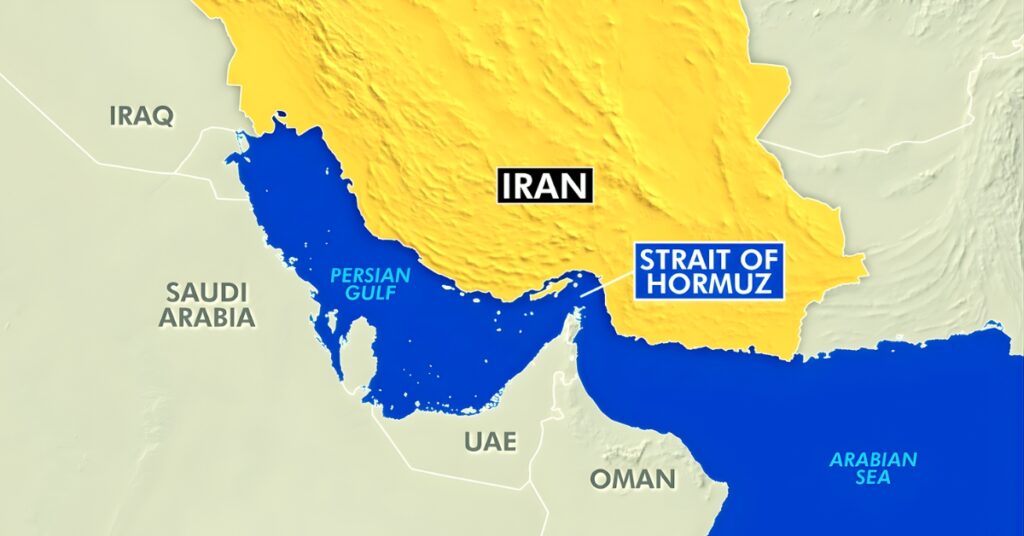
4. Control of Oil & Strait of Hormuz
One of the biggest hidden reasons is control over the Strait of Hormuz, through which a major portion of global oil supply passes.
- Any disruption here directly impacts global markets
- Oil prices are already skyrocketing
5. Global Power Politics
This war is not just US vs Iran:
- It affects China, Russia, and Europe
- New diplomatic players (like Pakistan) are emerging
- NATO alliances are under pressure
🌍 Global Impact of the War
- Oil prices rising → inflation worldwide
- Stock markets unstable
- Increased risk of a wider Middle East war
- Supply chain disruptions affecting industries
⚠️ What Could Happen Next?
- Continued heavy airstrikes in coming weeks
- Possible peace talks through mediators
- Risk of ground invasion (low but possible)
- Expansion into a regional war involving multiple countries
President Trump has warned of “extremely hard strikes” in the next 2–3 weeks, indicating escalation is still likely.
📝 Conclusion
The Iran–USA war is at a decisive but dangerous stage. While the US claims victory is near, ongoing attacks, economic pressure, and lack of clear peace plans suggest the conflict is far from over.
Behind the scenes, this war is not just about security—it is about power, oil, influence, and global dominance.