
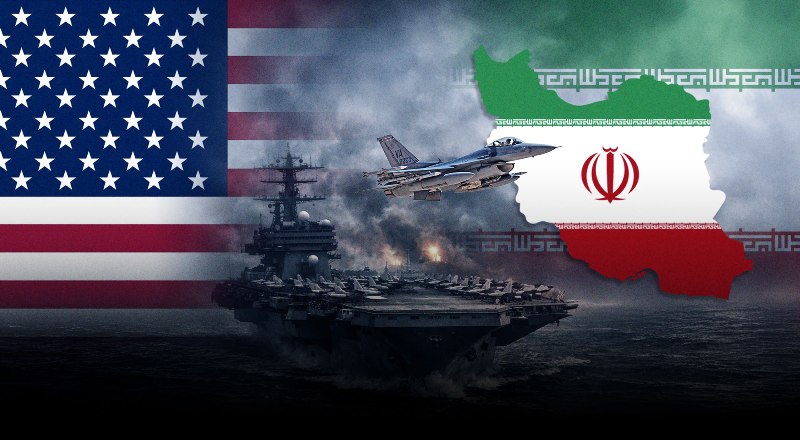
After more than a month of open conflict, the war between Iran and the United States (backed by Israel) continues to deepen with new military, diplomatic and economic consequences that are reverberating around the world.
What’s Happening on the Ground
The conflict began on 28 February 2026 when the United States and Israel launched coordinated airstrikes across Iran, including strategic sites in major cities. Iran’s Supreme Leader was killed in the initial assault, prompting immediate and forceful retaliation with ballistic missiles, drones and strikes against U.S. forces and regional allies.
Iranian leaders are publicly warning against a possible U.S. ground invasion, with Iranian parliament speaker Mohammad Baqer Qalibaf claiming American forces are preparing for a larger offensive even as Washington talks about negotiations. Tehran has vowed that its forces are “waiting for the Americans to enter,” indicating readiness for sustained combat if ground troops are deployed.
Meanwhile, thousands of U.S. Marines and troops have arrived in the Middle East aboard naval vessels, and U.S. military planners are reportedly preparing for “major escalation,” including targeted ground operations that could span weeks.
Regional and Global Diplomatic Pressure
With tensions rising, regional diplomacy has gained momentum:
- Foreign ministers from Pakistan, Saudi Arabia, Egypt and Turkey convened in Islamabad to explore de‑escalation strategies and possible ceasefire frameworks.
- China publicly urged immediate peace talks between Washington and Tehran and lauded Pakistan’s mediation efforts.
However, diplomatic progress remains fragile as both sides maintain combative rhetoric and Iran continues military actions across multiple fronts.
Economic Shockwaves and Strategic Disruption
The war’s impact is not confined to battle zones:
- The International Monetary Fund (IMF) has warned that the conflict is substantially damaging the global economy, causing large disruptions to oil and liquefied natural gas supplies, especially due to blockades of the crucial Strait of Hormuz.
- Disruptions in supply chains extended beyond energy. Recent Iranian strikes targeted major aluminium production facilities in the Gulf, affecting global aluminium output and pushing commodity prices higher.
- Stock markets in vulnerable economies have slid amid fears of prolonged conflict, rising energy costs and widening risk aversion.
Global Political Repercussions
The war has also strained international alliances and political relations:
- Spain took the rare step of closing its airspace to U.S. military flights tied to the conflict, signifying rising tension with longstanding NATO allies and growing European opposition to the ongoing war.
- Critics worldwide, including human rights organizations are denouncing the conflict for ignoring international humanitarian laws, citing threats and actions that endanger civilians and infrastructure.
Humanitarian Concerns and Internal Tension
Behind official statements, the humanitarian situation in Iran and across the region is deteriorating. The war has contributed to shortages, infrastructure damage and restricted access to essential services. Reports indicate increasing repression inside Iran as authorities seek to control dissent amid mounting economic hardships, further complicating the country’s internal stability.
What Comes Next?
Analysts say the conflict’s trajectory remains highly uncertain. With diplomatic efforts underway but military actions intensifying, the world watches for either a breakthrough peace negotiation or a potentially more widespread regional confrontation involving non‑state actors and neighboring countries.